Skip to main navigation menu Skip to main content Skip to site footer
Multiethnic people in Pariser Platz in Berlin, with the Brandenburg Gate as a backdrop.

Journal on Ethnopolitics and Minority Issues in Europe

About the Journal

The Journal on Ethnopolitics and Minority Issues in Europe (JEMIE) is a peer-reviewed, open access, fully online journal published by the European Centre for Minority Issues. JEMIE provides a space for original research exploring minority-majority relations in in an interdisciplinary manner, drawing on political science, sociology, anthropology, international relations, history, social psychology and cultural studies. JEMIE welcomes contributions on topics such as minority rights, political and socio-economic participation, good governance, diversity management, racial and ethnic inequalities, democratization, and interethnic conflict.
More info

Vol. 25 No. 3 (2026)
General Issue

Table of contents

Articles

Book reviews

Highlights

  1. Authors Headshots

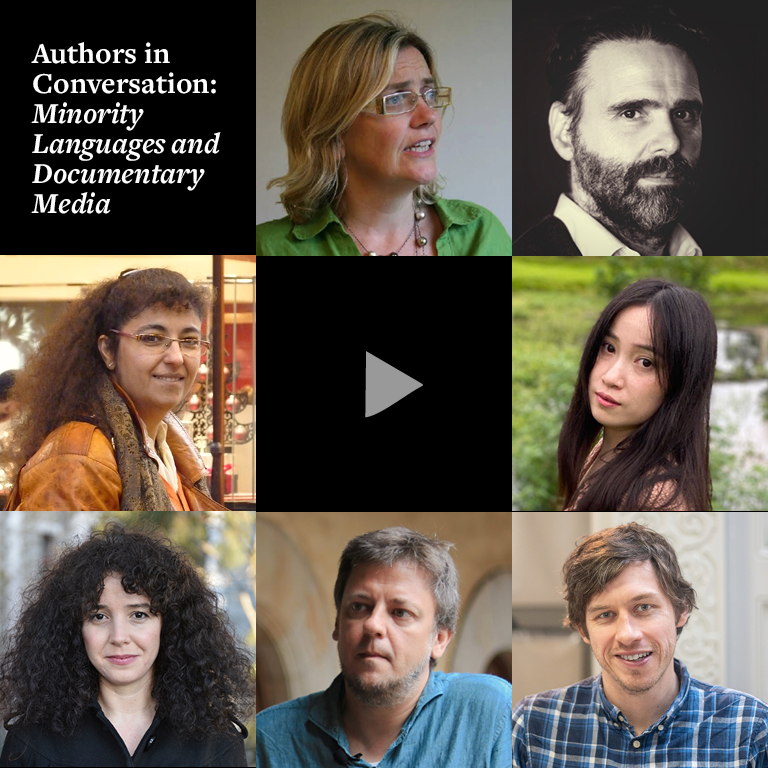
    Authors in Conversation: Minority Languages and Documentary Media

    Documentary media can play an important role in making minority and minoritised languages visible. At the same time, documentaries do much more than simply record languages and communities; they shape how linguistic identities, histories, and cultures are represented and understood. In this webinar, which is part of the Online Talks series, we took a closer look at the recent special issue Minority Languages and Documentary Media: Representation, Translation and Power, edited by Dafydd Sills-Jones and Elin Haf Gruffydd Jones.

    Watch the video
  2. Minecraft Sami language learning activity for 7th Grade students called "Build a Reindeer Fence"

    Video Discussion: Teaching and Learning Resources for Minority Languages

    Watch the editors and contributors to JEMIE's special issue on Teaching and Learning Resources for Minority Languages in conversation. The discussion covers a range of topics including the use of Minecraft as an indigenous teaching tool for Sámi languages, the rich tradition of Tatar teaching materials in Finland, and the broader challenges of producing, circulating and making findable resources for lesser-spoken languages in Europe.

    Watch the video
View All Issues Submit Manuscript