
- Home
- Infochannel
ECMI Infochannel

2025-12-08
Learn more about PLURILINGMEDIAPLURILINGMEDIA intends to advance collaboration and bring coherence to the field of European media from the perspective of language plurality, encouraging involvement of scholars in related disciplines and facilitating knowledge transfer between academics and practitioners. This incorporates the digitalisation shifts affecting consumption and provision of media, providing opportunities and threats to journalists, as well as influencing policymakers, educators and other stakeholders. Academics working on these topics mostly work on singular linguistic spheres and there remains a deficiency of knowledge transfer across the dimensions of academic discipline, career-stage, geography and industry.
2026-10-12
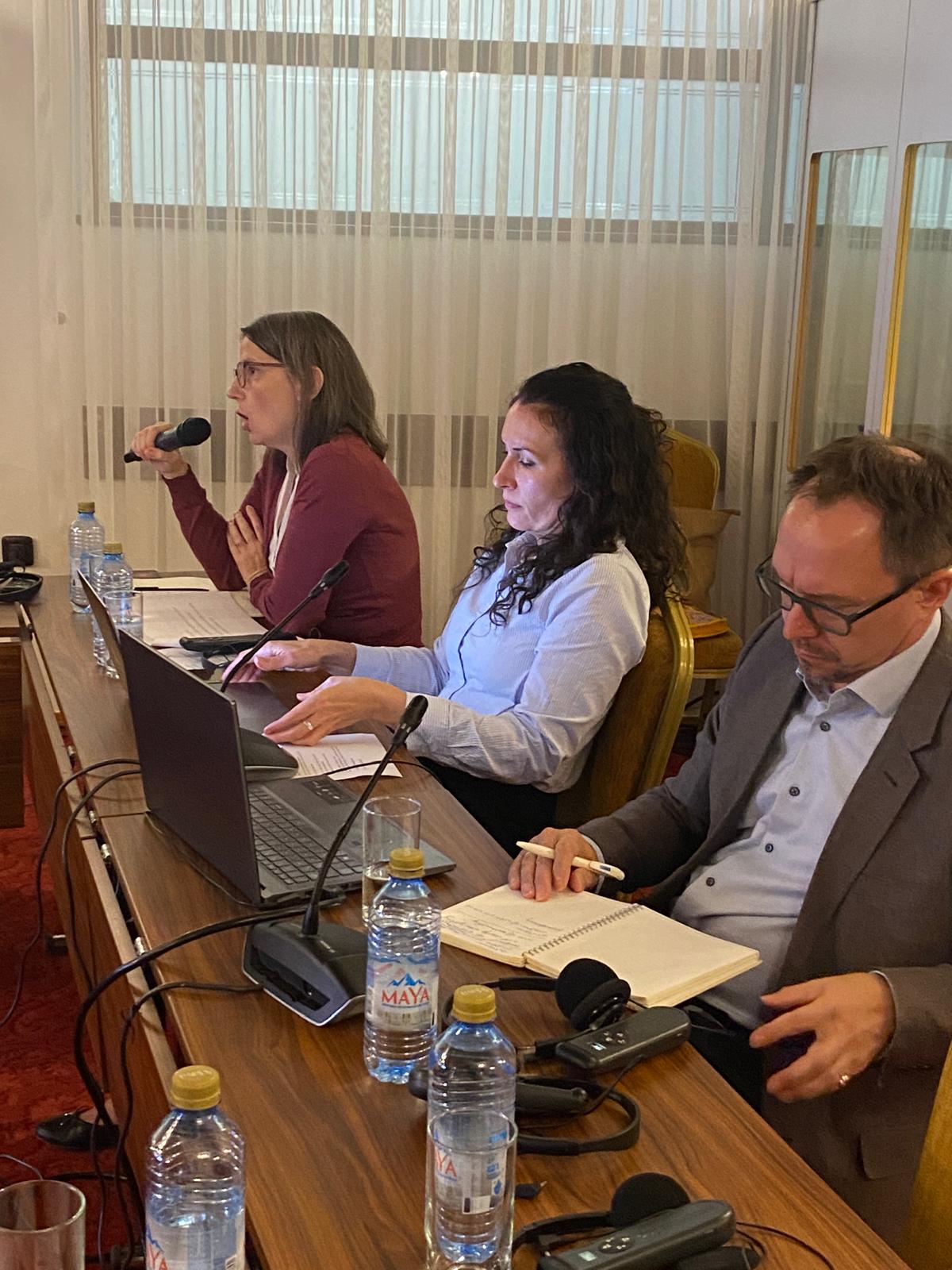
From Box-Ticking to Real Reform: How Minority Action Plans Are Shaping EU AccessionIn recent enlargement rounds, the European Union has increasingly relied on a specific instrument to drive fundamental reforms: dedicated Action Plans for national minorities as formal accession conditions. But do these strategic documents actually produce tangible improvements on the ground, or do they risk becoming administrative box-ticking exercises designed primarily to satisfy screening benchmarks? This crucial question stood at the centre of an international expert conference hosted on 23 September 2026 by the European Centre for Minority Issues (ECMI) and the NGO SIEC / Forum for Non-Majority Communities at the Stone Bridge Hotel in Skopje. Titled "Action Plans for National Minorities as Part of EU Accession: Comparative Policy Analysis," the event brought together researchers, government officials, and civil society representatives to examine the practical experiences of the three candidate countries where the EU has made such plans mandatory: Serbia, Ukraine, and North Macedonia.

2026-10-08
ECMI Minorities Blog. The Empire That Never Left: Russia’s Broken Promises to Its Own PeoplesAmir Alecperov
This blog post examines Russia’s treatment of two minority peoples – Tatars in Tatarstan and Chechens in the Republic of Ichkeria – as a case study in broken political and legal promises. Drawing on documented treaty obligations, referendum results, language policy reforms, and international human rights frameworks, it argues that Russia’s approach follows a consistent structural pattern: offering territorial autonomy to these minority regions when politically weak, and systematically dismantling it once central power is consolidated. In Tatarstan, this took the form of bureaucratic erosion – the removal of constitutional language, the expiry of autonomy agreements, and the abolition of mandatory Tatar language instruction; in Ichkeria, it took the form of military force. Both trajectories reflect the same imperial logic. The blog post further examines why international mechanisms – including the ICCPR, the FCNM, and OSCE commitments – failed to prevent these outcomes.
2026-09-02
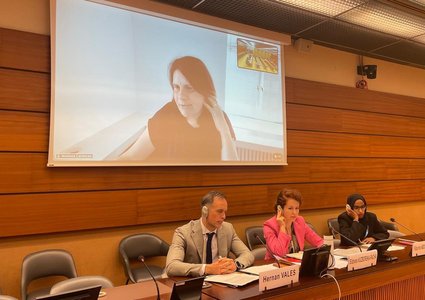
Minorities & Social Justice an Interview with Dr. Andreea CârstoceaDr. Andreea Cârstocea, Senior Researcher and Head of the Equality and Inclusion Cluster, has dedicated her career to social justice. In this exclusive interview, she shares how her personal background shaped her academic path, reveals the striking realities of how Roma communities were marginalised during the COVID-19 pandemic, and discusses her editorial work with the Journal on Ethnopolitics and Minority Issues in Europe (JEMIE). Dive into a compelling conversation about identity, policy, and equality.