
ECMI Minorities Blog. Ethno-Solastalgia: Extractive Landscapes and Cultural Survival in Europe’s Minority Regions
*** The blog posts are prepared by the authors in their personal capacity. The views expressed in the blog posts are the sole responsibility of the authors concerned and do not necessarily reflect the view of the European Centre for Minority Issues. ***
Author: Giustina Selvelli | doi.org/10.53779/MEYE0906
* Giustina Selvelli holds a PhD in Slavic Studies from Ca’ Foscari University of Venice and is a Research Associate at the Department of Sociology, University of Ljubljana. She currently leads the ARIS-funded research project DEEP WOUNDS, which examines the impact of environmental injustice on minority communities in East-Central Europe. Previously a MSCA COFUND postdoctoral fellow, she has held affiliations with the universities of Klagenfurt, Nova Gorica, Mytilene, Novi Sad, Gothenburg and Yildiz in Istanbul. She is the author of three monographs and numerous articles on ethnic minorities, language endangerment, and nationalism in Southeast Europe.
E-mail: giustina.selvelli@gmail.com
ORCID: https://orcid.org/0000-0003-1736-2393
LinkedIn: https://www.linkedin.com/in/giustina-selvelli/
Environmental injustice is often discussed in relation to the Global South, where extractive industries have long displaced Indigenous communities and degraded ecosystems on a large scale. Although comparable conflicts have also received increasing attention within Europe, particularly in relation to Sámi territories in northern Scandinavia, the continent continues to be widely associated with environmental regulation, sustainable energy transitions, and high standards of human rights/minority protection. This perception obscures the extent to which pollution, extractive industries, and ecologically destructive projects have historically been concentrated in regions inhabited by minority, autochthonous, and Indigenous communities across Europe itself.
From lignite mining in eastern Germany to copper extraction in eastern Serbia and iron ore projects in northern Scandinavia, minority territories have repeatedly been positioned as sites of resource exploitation throughout the twentieth century and into the present.
Although these processes are commonly framed as necessary for national development, energy security, or economic growth, a different pattern emerges when viewed from the perspective of the communities affected. In this context, the notion of “sacrifice zones” becomes particularly useful: places where environmental harm is normalized as the price to be paid for broader economic or national objectives. Closely related is the concept and frame of “wastelanding”, which describes the process through which inhabited and meaningful environments are gradually redefined as empty, degraded, or disposable - as exemplified by uranium extraction in Navajo territories in the US Southwest, where Indigenous land was rendered pollutable and sacrificable in the name of national development. Together, these concepts illuminate how environmental harm is unevenly distributed, and how certain regions—often inhabited by minoritized and marginalized communities—come to be treated as more expendable than others.
While environmental degradation affects a wide range of communities, its consequences are not experienced in identical ways. In minority regions where linguistic continuity, cultural practices, and forms of belonging remain closely tied to specific landscapes, environmental transformation can intensify vulnerabilities shaped by longer histories of marginalization, depopulation, and uneven institutional recognition.
Approaching environmental change from minority perspectives reveals that what is at stake is not only ecological damage, but the disruption of deeply rooted relationships between communities, language, culture, and place. To capture the affective dimension of these processes, this contribution introduces the concept of ethno-solastalgia: a form of collective distress that emerges when environmental transformation becomes entangled with the erosion of cultural continuity, territorial belonging, and minority ways of inhabiting and relating to landscapes.
Lusatia, the Timok Valley, and Europe’s Extractive Peripheries
Despite unfolding in distinct political and economic contexts, extractive projects are repeatedly concentrated in rural and borderland regions inhabited by minority and Indigenous communities, whose political visibility within national frameworks often remains limited. In Europe and its peripheries, such territories are frequently represented as economically underdeveloped spaces whose transformation appears necessary in the name of industrial growth, energy production, or, increasingly, the green transition. As a result, environmental degradation is more easily normalized, while the destruction of local landscapes is rarely perceived as a loss of shared cultural heritage.
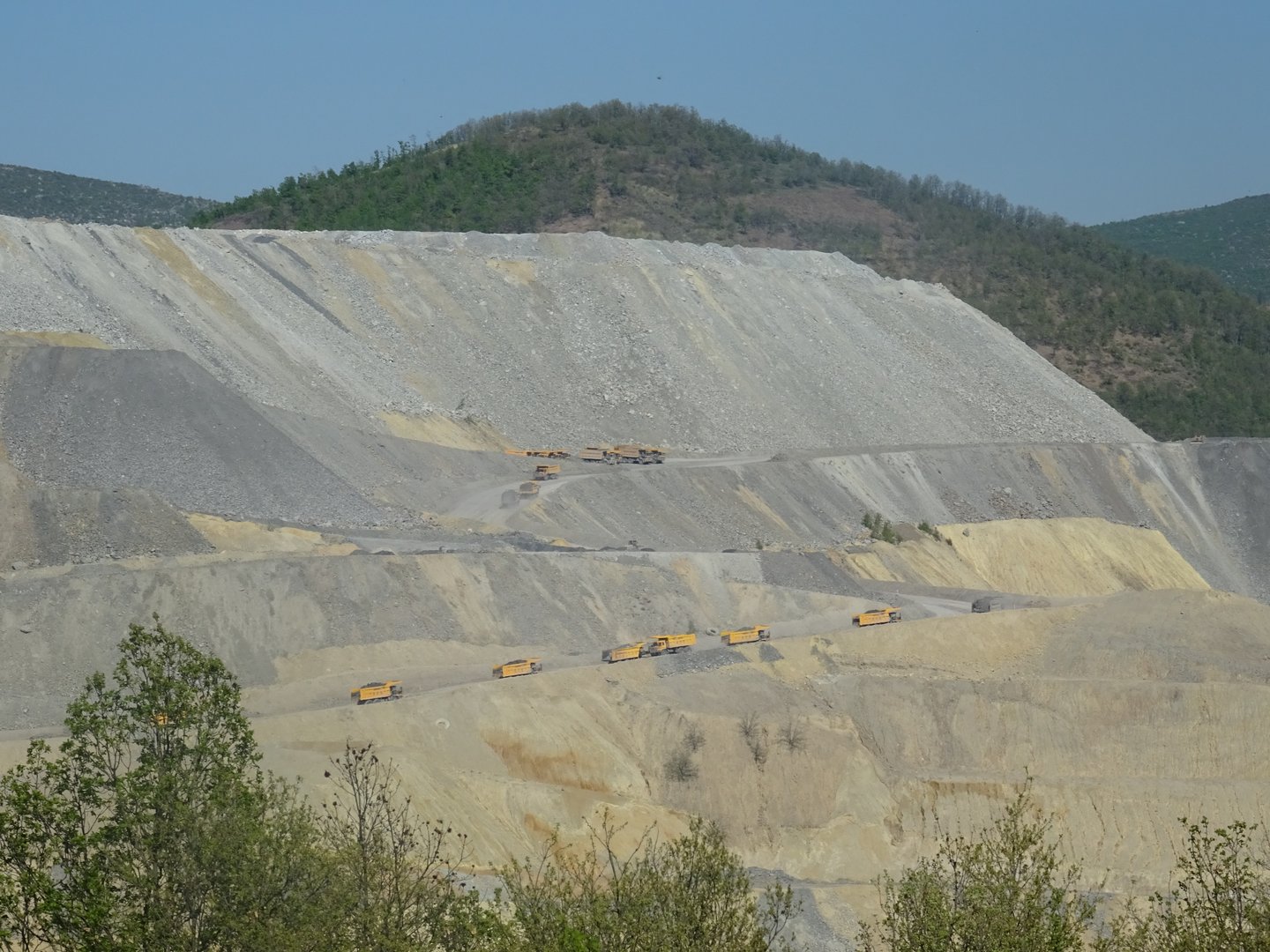
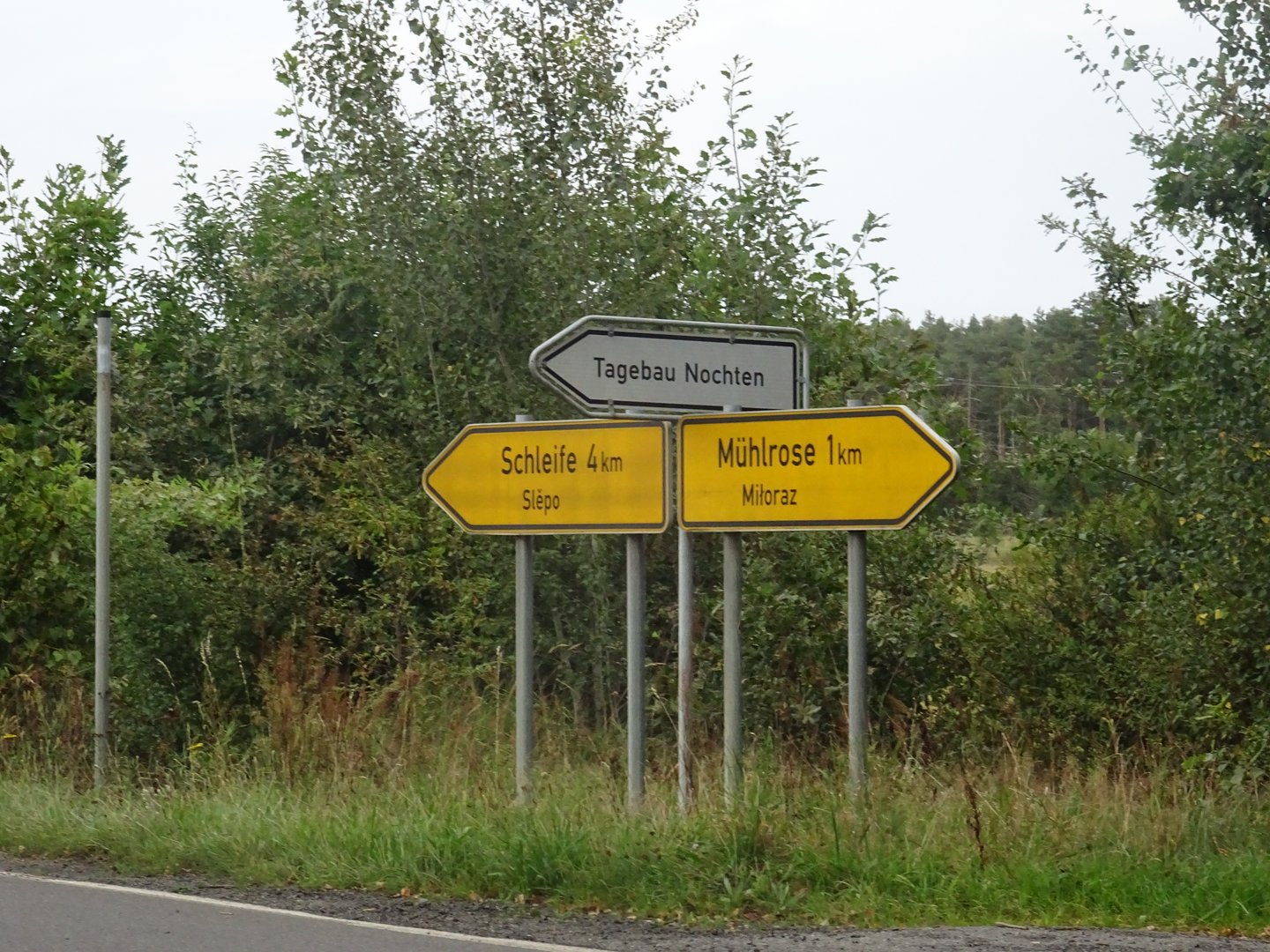
In Lusatia, in eastern Germany, more than a century of lignite mining has transformed territories inhabited by the Sorbs, an autochthonous Slavic population whose presence in the region dates back at least to the sixth century. A comparable dynamic can be observed in eastern Serbia’s Timok Valley, where copper mining is intensifying in areas inhabited since centuries by the Vlachs, whose language shares many similarities with Romanian.
Similar situations occur in other parts of Europe and its peripheries: further north, in Swedish and Norwegian Sápmi, mining projects linked to Europe’s growing demand for critical raw materials increasingly interfere with reindeer migration routes and other forms of land use central to Sámi livelihoods, revealing how the European energy transition itself can generate new pressures on Indigenous territories. In Turkey, Alevi Kurdish communities in the Dersim region have mobilized against hydroelectric projects threatening the Munzur Valley, while also confronting the gradual erosion of Zazaki, an endangered Kurdish language closely tied to local forms of ecological knowledge and ritual life. Similar concerns emerge in the Caucasus, where the construction of the Nenskra dam in Georgia has raised fears of displacement among Svan communities whose linguistic and cultural practices remain strongly connected to mountain environments.
By framing minority-inhabited environments as spaces in need of modernization or optimization, official narratives contribute to making extraction appear both inevitable and justified. The concentration of environmentally harmful projects in these areas is therefore not simply a matter of resource availability but also reflects how particular territories and populations are socially and politically valued within broader national contexts.
Environmental degradation linked to extractive industries also affects regions inhabited predominantly by majority populations. The point, however, is not that minority territories are uniquely exposed to environmental harm, but that the consequences of such transformations often have much stronger implications in contexts where language use, cultural continuity, and forms of belonging remain closely tied to specific landscapes. In many minority regions, linguistic difference, rural livelihoods, and long histories of marginalization have contributed to placing these territories at the edges of political attention and public concern, making environmental destruction easier to legitimize and more difficult to contest. In this sense, contemporary extractive projects may also reproduce dynamics that resemble forms of internal colonialism, in which peripheral regions inhabited by minority populations continue to bear disproportionate environmental costs in the name of national development and economic growth. The following sections explore these broader dynamics through a closer examination of the Sorbian and Vlach cases, which have received comparatively limited attention within broader European debates on environmental justice.
Landscapes as Infrastructures of Cultural and Linguistic Survival
In Lusatia, in eastern Germany, Sorbian communities have historically been organized in relatively compact rural settlements, with urban centres such as Cottbus in Brandenburg and Bautzen in Saxony structuring wider socio-economic relations. Within these settlement patterns, the Sorbian language was closely embedded in daily interaction, agricultural work, and religious and seasonal practices tied to the land. According to early twentieth-century census estimates, around 111,000 people still spoke Sorbian in 1910, a figure that has since declined dramatically. Today, Sorbian survives in two varieties—Upper Sorbian and Lower Sorbian—with approximately 25,000 and 7,000 speakers respectively, reflecting a long-term process of decline shaped not only by assimilation, but also by the spatial transformations that have progressively reconfigured the region. Both varieties are considered endangered.
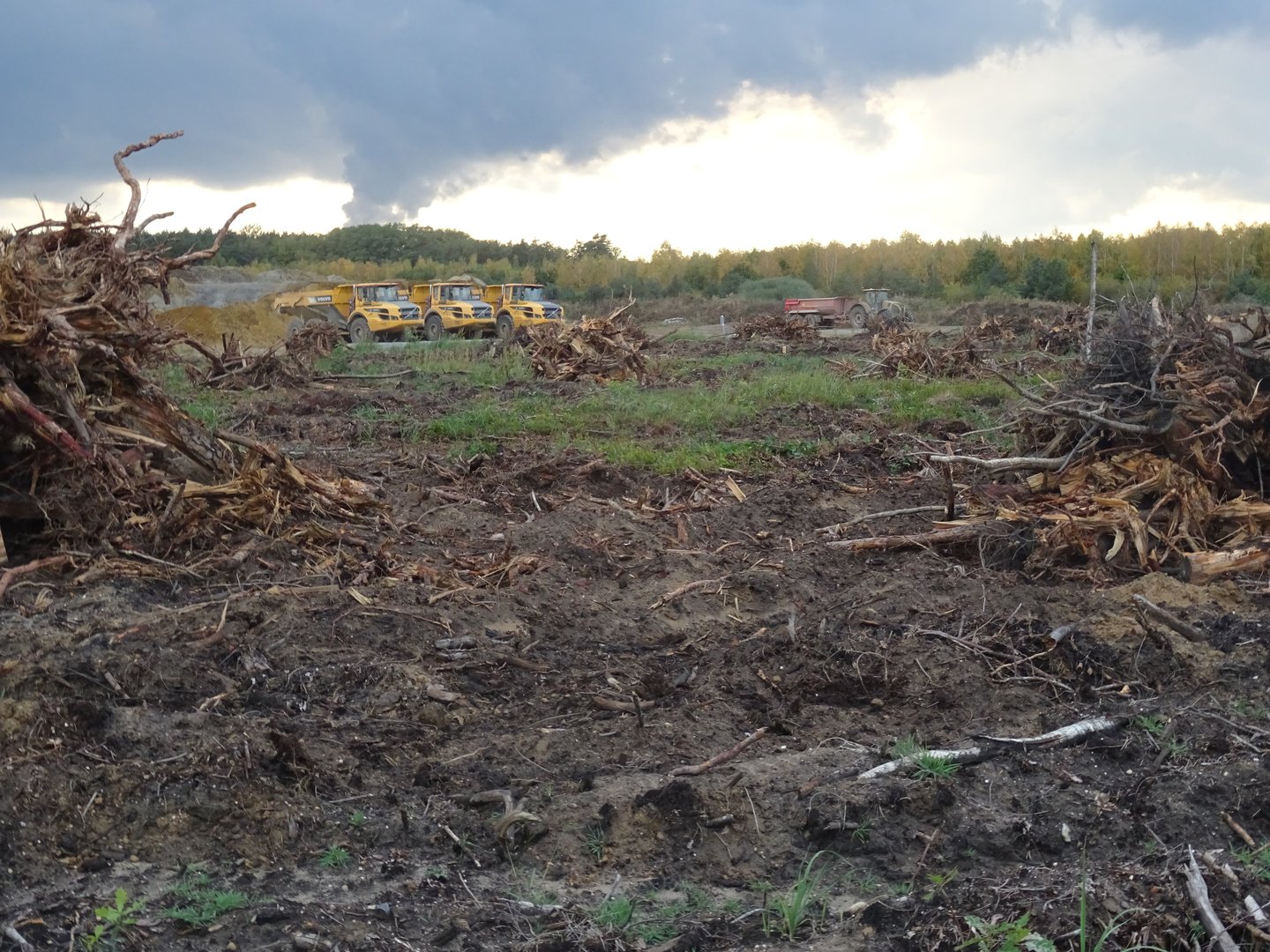
The development of open-cast lignite mining in Lusatia began in the early twentieth century and intensified during the period of the German Democratic Republic, when large state-owned combines expanded extraction across the region on an unprecedented scale. Following German reunification, mining operations continued under companies such as the Swedish multinational Vattenfall and, more recently, LEAG. Over time, these processes have profoundly reshaped the social and spatial organization of Lusatia: villages disappeared, populations were resettled, and previously dense Sorbian-speaking areas became increasingly fragmented. In total, 137 villages have been destroyed, displacing more than 30,000 people, while open pits have expanded across former agricultural land, forests, and wetlands. As communities were dispersed, the everyday environments in which Sorbian had long been used—in agricultural work, neighbourhood interaction, and local ritual life—were progressively eroded, while the landscapes that had historically anchored these practices were transformed by mining infrastructures and industrial expansion.
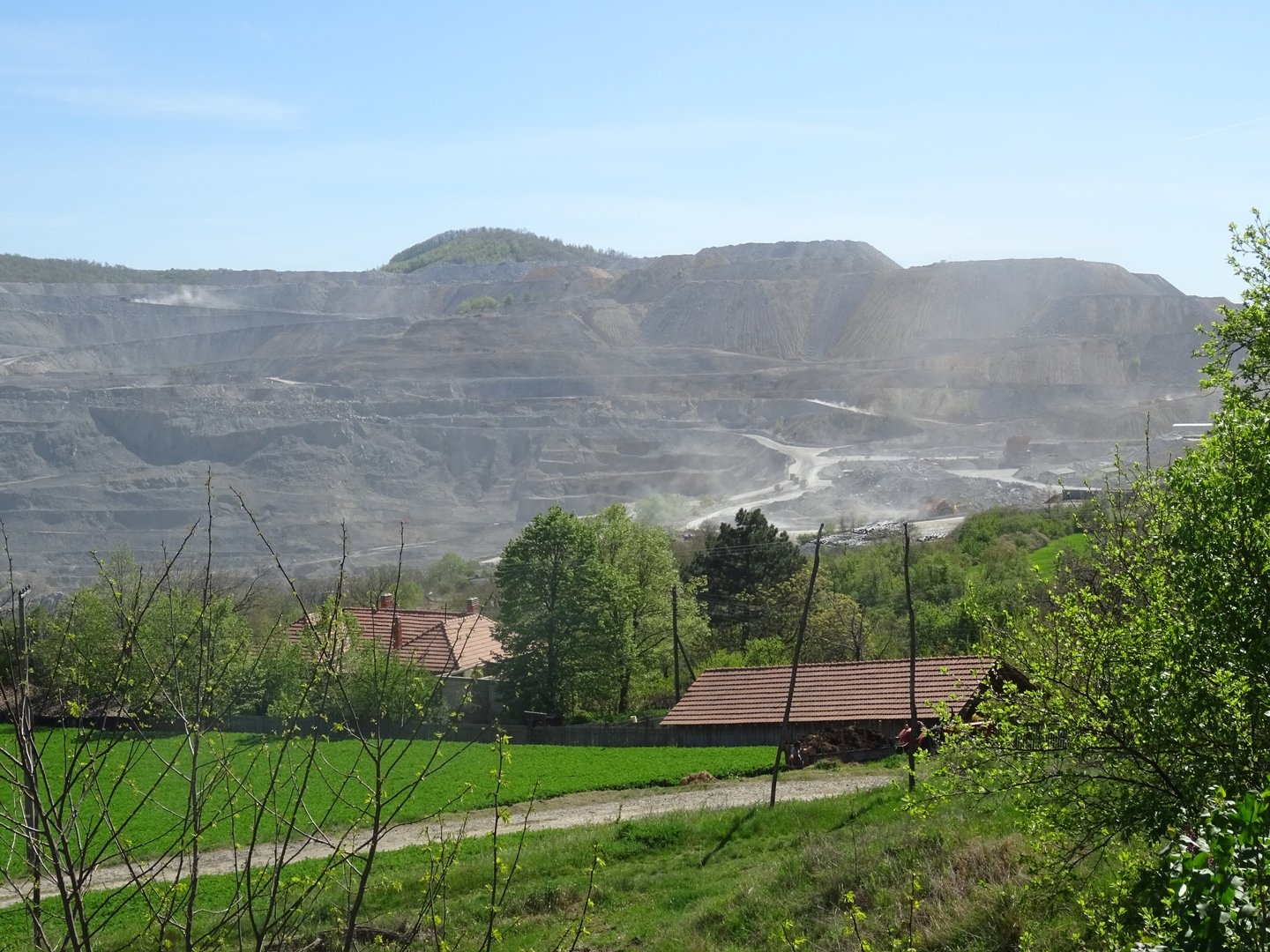
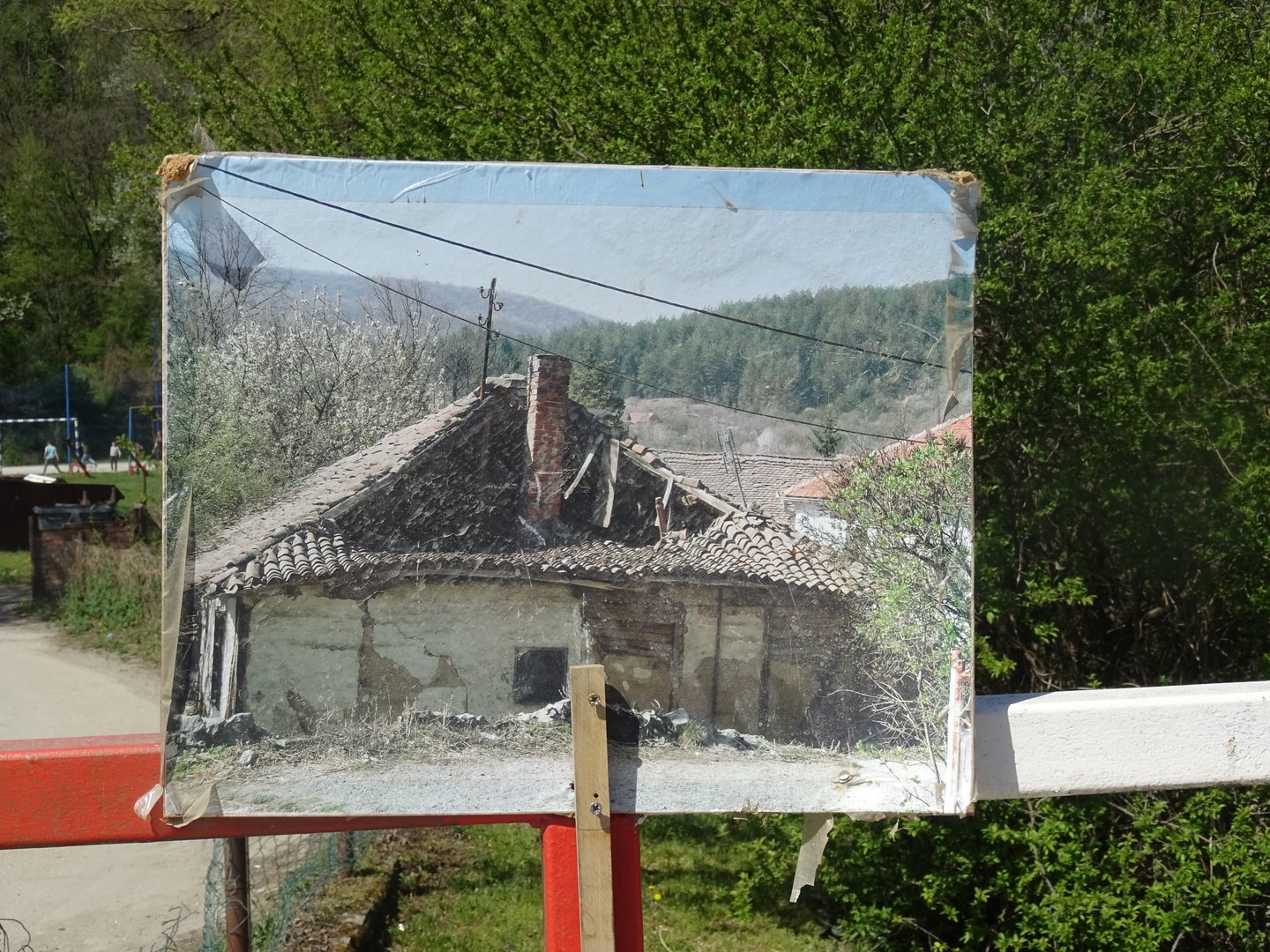
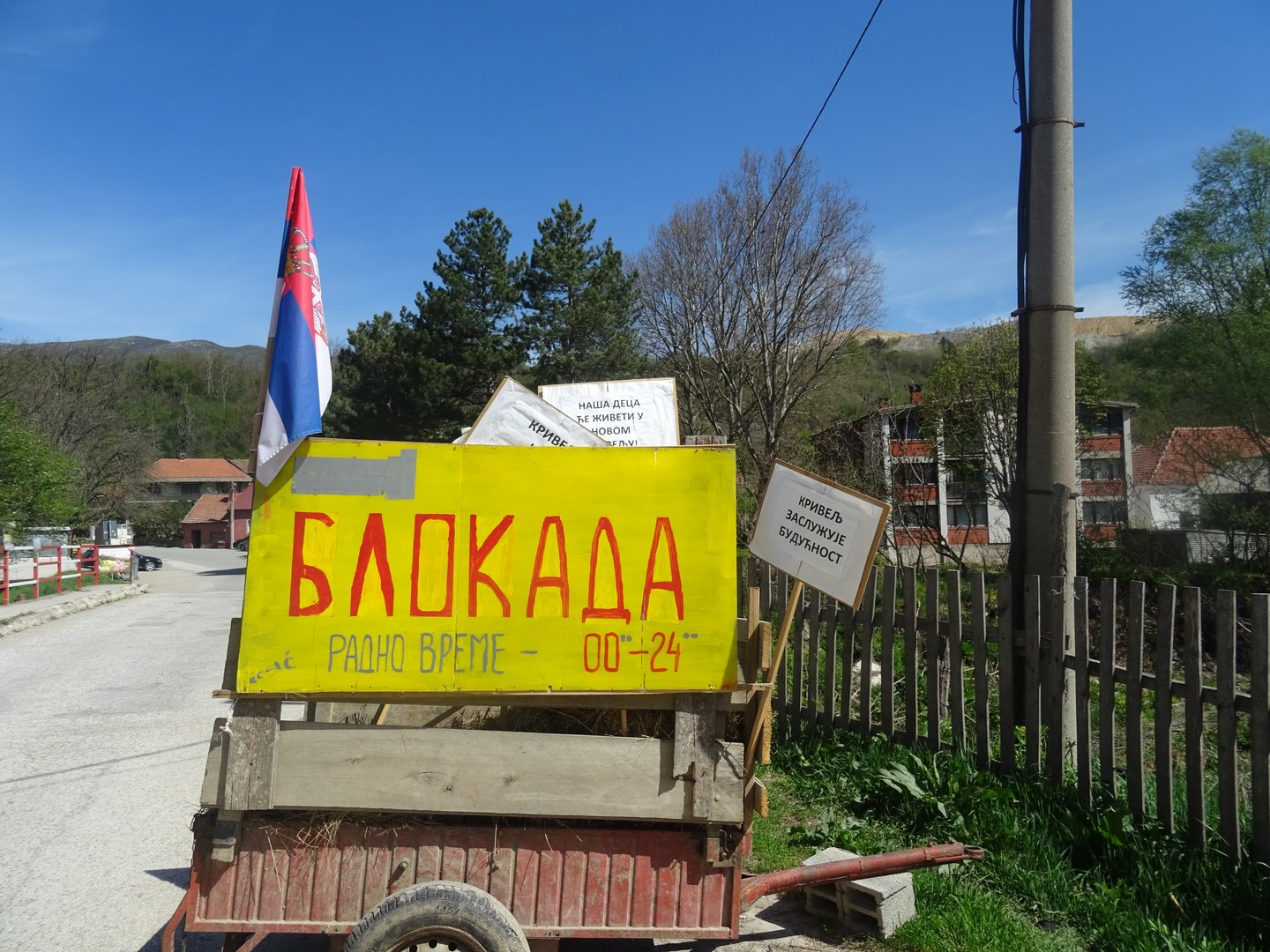
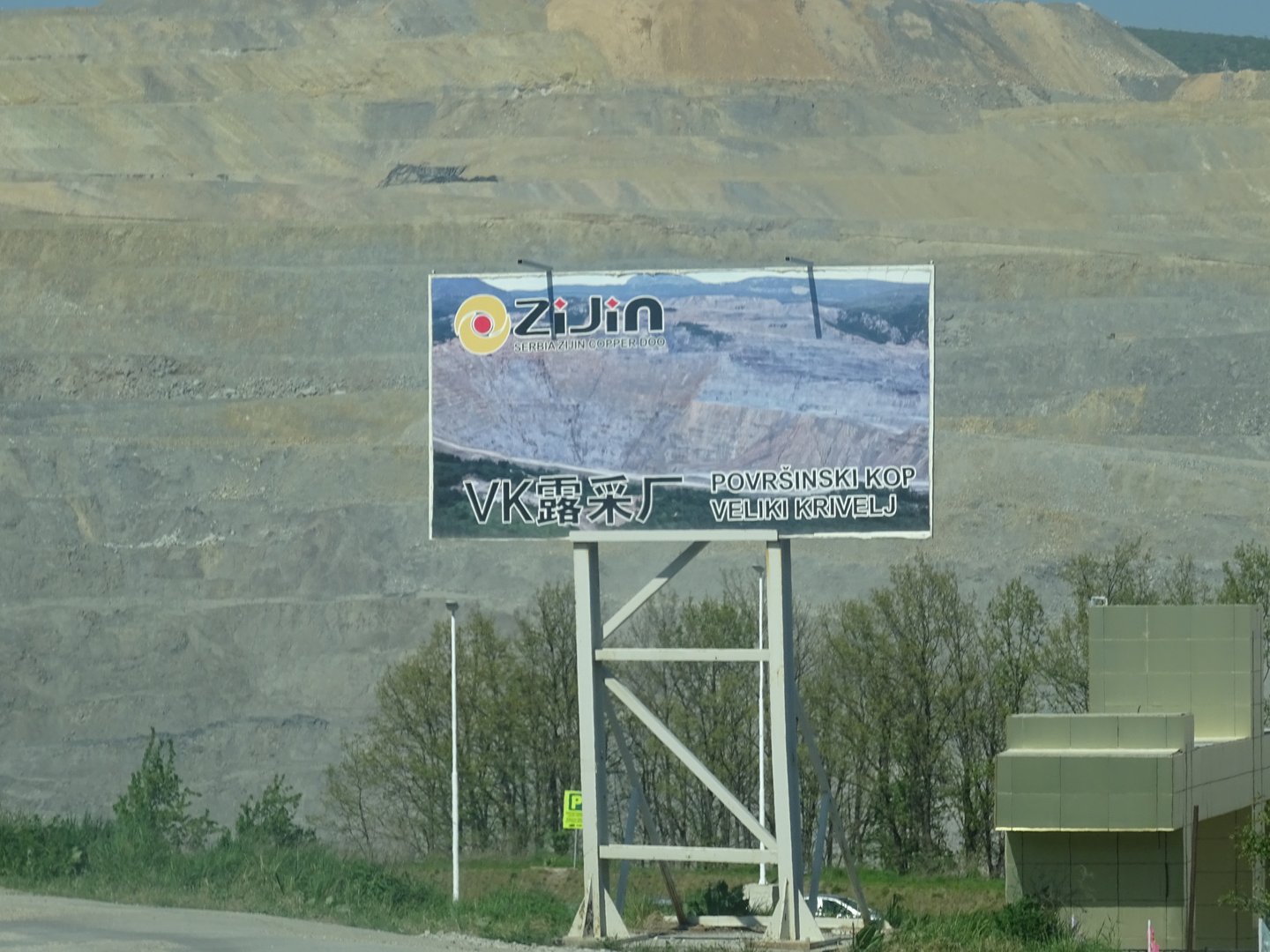
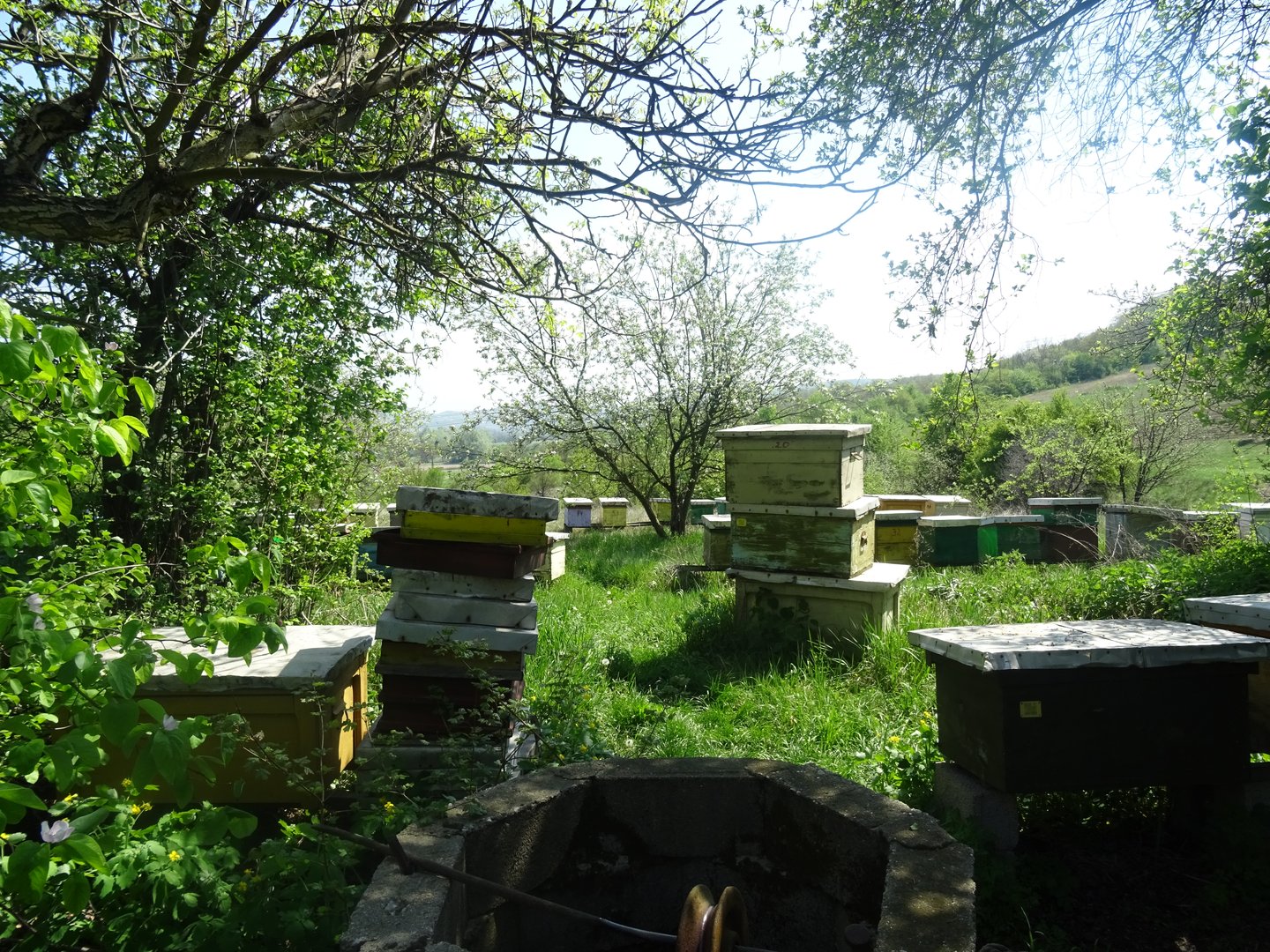
A comparable configuration can be observed in the Timok Valley in eastern Serbia, where Vlach-speaking communities have historically relied on agriculture, livestock breeding, and beekeeping, activities through which oral traditions, ecological knowledge, and social relations have long been transmitted across generations. In recent years, the arrival of the Chinese mining company Zijin Mining Group has brought increasing environmental pressure on villages such as Krivelj and Oštrelj, as copper extraction—considered strategic for contemporary energy and green transition infrastructures—continues to expand across the region, exacerbating broader patterns of depopulation that further weaken cultural practices tied to rural livelihoods and local ecological knowledge. The Vlach language, an endangered Eastern Romance variety spoken in rural areas of eastern Serbia, has experienced a sharp demographic decline over recent decades: census data indicate a decrease from more than 100,000 speakers in the 1960s to just above 23,000 in 2022, reflecting broader processes of depopulation and socio-economic transformation affecting the region. Unlike more institutionally supported European minority languages, Vlach continues to circulate largely through oral transmission and everyday interaction within rural communities, making processes of depopulation and territorial fragmentation particularly consequential for its long-term continuity.
In villages increasingly surrounded by expanding mining infrastructures residents experience growing difficulties in maintaining practices historically tied to the local environment. Beekeeping, for instance, has become increasingly uncertain in areas affected by pollution from nearby mining sites, with local residents pointing to declining productivity and concerns about long-term viability. At the same time, pressures to relocate—without the possibility of preserving compact settlement structures—further fragment the social environments within which Vlach language use and locally grounded forms of knowledge have historically circulated.
What links these otherwise distinct contexts is the close relationship between endangered languages, territorial continuity, and forms of knowledge rooted in long-standing engagement with specific landscapes. Traditional ecological knowledge has been described as a cumulative body of practices, beliefs, and understandings concerning the relationships between living beings and their surroundings, developed through adaptive processes and transmitted across generations. In many minority contexts, such knowledge is deeply embedded in language itself, shaping how landscapes are named, inhabited, cultivated, and remembered.
Although traditional ecological knowledge in Europe has received growing scholarly attention in recent years, the relationship between environmental degradation and language endangerment remains insufficiently explored, particularly in regions affected by extractive industries. In these contexts, ecological transformation and linguistic erosion often unfold simultaneously, while relocation and compensation frameworks continue to treat land primarily as interchangeable economic space rather than as the basis of cultural and linguistic continuity.
Ethno-solastalgia and the Limits of Sustainability Frameworks
For many minority communities, landscapes function not simply as physical environments or economic resources, but as ecocultural formations in which language, livelihood, memory, and territorial belonging become deeply intertwined. In contexts where cultural continuity remains closely tied to specific environments, the transformation of land through extractive industries carries consequences that extend beyond ecological damage alone.
These processes are often measured through indicators such as emission levels, production output, or the number of households relocated. Yet in regions such as Lusatia and the Timok Valley, environmental transformation also unfolds through slower and less visible forms of change: the fragmentation of settlement patterns, the gradual encroachment of mining infrastructures into agricultural land, and the loss of access to forests, fields, and water sources. Experienced cumulatively over time, these processes constitute a form of slow violence, reshaping everyday relationships to place in ways that are difficult to quantify, but profoundly affect how communities inhabit and recognize their surroundings.
The notion of solastalgia—the sense of distress produced by witnessing the gradual transformation or disappearance of familiar environments while continuing to inhabit them—provides a useful point of departure, but it does not fully capture what is unfolding in minority regions shaped by long-term environmental transformation. Among Sorbian and Vlach communities, these experiences are embedded in longer histories of linguistic marginalization, territorial reconfiguration, and uneven forms of institutional recognition, visible for instance in ongoing debates surrounding the status of the Sorbs as Indigenous rather than merely “autochthonous” populations. In this sense, it becomes possible to speak of ethno-solastalgia: a form of distress that emerges not simply from environmental change itself, but from its entanglement with processes that progressively destabilize cultural continuity, collective belonging, and the sense of being historically rooted within a particular landscape, ultimately affecting forms of cultural security.
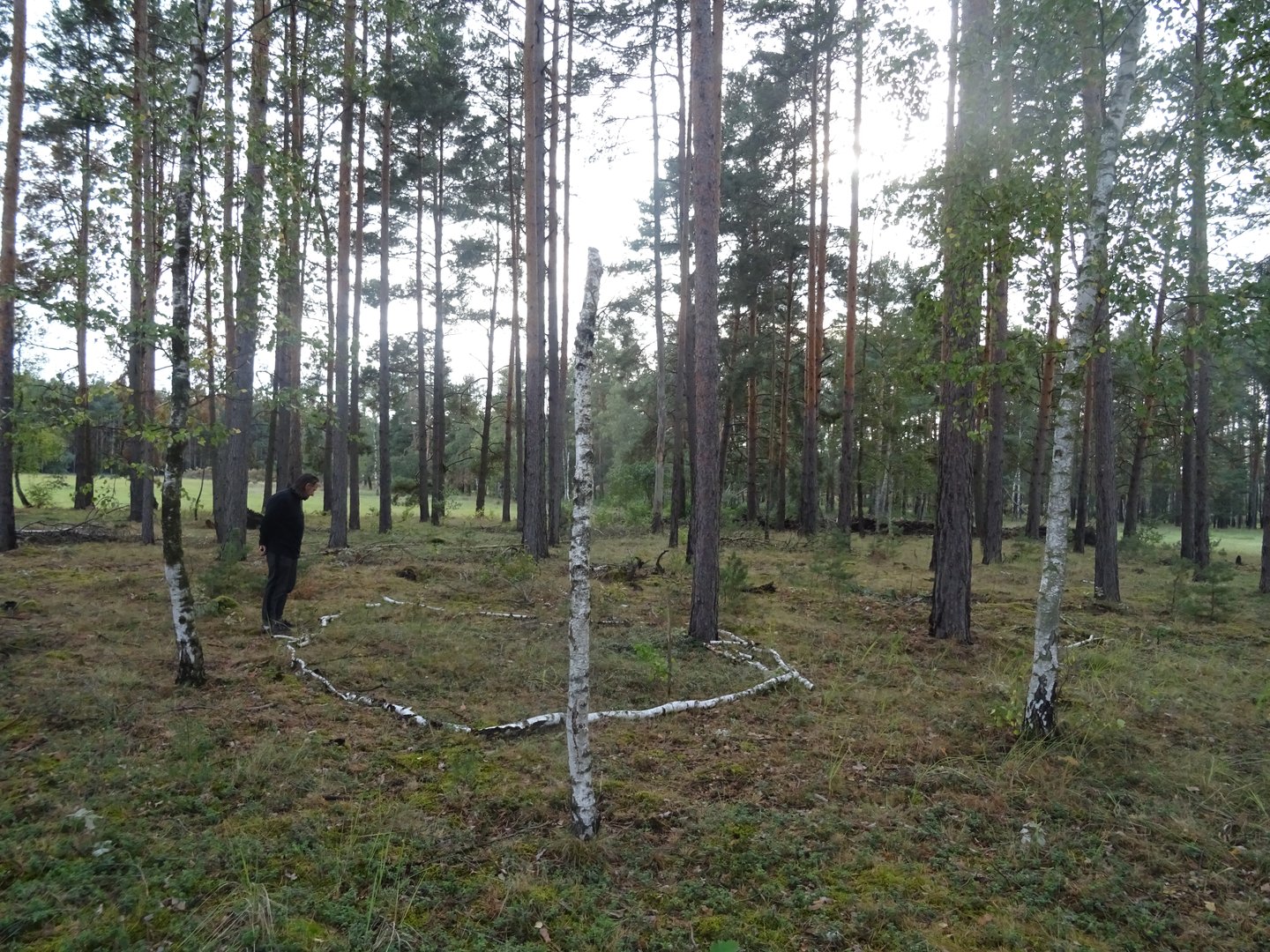
Among the Sorbs of Lusatia, these experiences are often associated with the disappearance of familiar environments that once structured everyday life and collective memory. The destruction of the villages of Horno and Lacoma in the early 2000s marked a particularly visible rupture, later reinforced by the clearing of the forest known as Urwald Weißwasser in 2015 for the expansion of the Nochten mine. For many local residents, this forest was tied to repeated practices and seasonal routines—gathering berries and mushrooms, collecting herbs, moving through familiar paths—that connected people to the landscape in deeply embodied ways.
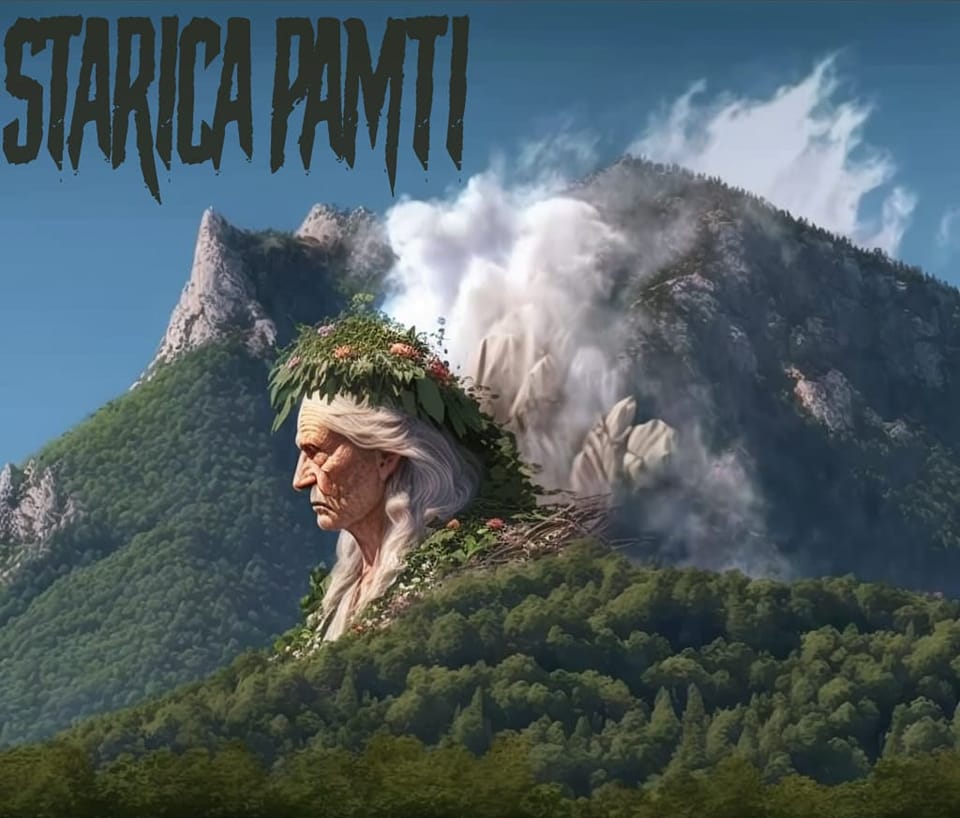
In the Timok Valley, similar feelings emerge around the transformation of places long central to everyday orientation and attachment to the land. The blasting of Mount Starica in Majdanpek, which prompted mobilization by the civic initiative Ne dam/Nu dau (“We won’t give it up” in Serbian and Vlach), became emblematic of broader anxieties surrounding the gradual reconfiguration of the surrounding environment and the uncertainty associated with its future. What characterizes ethno-solastalgia is therefore not a single moment of rupture, but the cumulative experience of witnessing familiar environments gradually disappear, often without broader recognition of what is simultaneously being eroded at the cultural and linguistic level.
These dynamics expose a persistent disconnect within contemporary sustainability frameworks. Although European policies increasingly emphasize both biodiversity protection and cultural diversity preservation, the connections between ecological and cultural continuity remain insufficiently addressed. Minority languages may be recognized as forms of intangible heritage, while the landscapes through which they are practiced, transmitted, and embedded in everyday life continue to be transformed or treated as disposable in the name of extraction and development. As a result, ecological degradation, language endangerment, and cultural loss continue to be approached through separate policy frameworks, despite unfolding as deeply interconnected processes on the ground. Recognizing ethno-solastalgia therefore means acknowledging that environmental transformation can also destabilize the conditions through which minority communities maintain continuity, belonging, and forms of cultural security across generations.
Conclusions
The cases discussed here point to a broader pattern extending beyond individual regions or national contexts. From Lusatia to the Timok Valley, as well as across other regions undergoing comparable forms of environmental transformation, extractive projects continue to reshape landscapes central to the cultural and linguistic continuity of minority and Indigenous communities. Seen together, these examples challenge the widespread assumption that environmental injustice is primarily external to Europe, revealing instead how similar dynamics have long unfolded within European states themselves, even if they remain comparatively marginal in public debate. What these cases share is not only the concentration of environmentally harmful activities in peripheral and politically less visible regions, but also the difficulty of recognizing forms of loss that exceed conventional policy categories. In contexts where language, memory, and belonging remain closely tied to specific landscapes, environmental change cannot be understood solely in ecological or economic terms.
The concept of ethno-solastalgia offers one way of approaching these experiences, drawing attention to the entanglement of environmental transformation with minority status, territorial continuity, and cultural security. More broadly, it highlights the limits of sustainability frameworks that continue to separate ecological, sociocultural, and linguistic concerns, despite their deep interconnectedness on the ground. From this perspective, minority regions emerge not only as sites of vulnerability, but also as critical vantage points from which to rethink environmental justice and sustainability within Europe itself.
This work was produced within the framework of the DEEP WOUNDS project, supported by the Slovenian Research and Innovation Agency (ARIS) under Grant No. J5-70189