
From Box-Ticking to Real Reform: How Minority Action Plans Are Shaping EU Accession
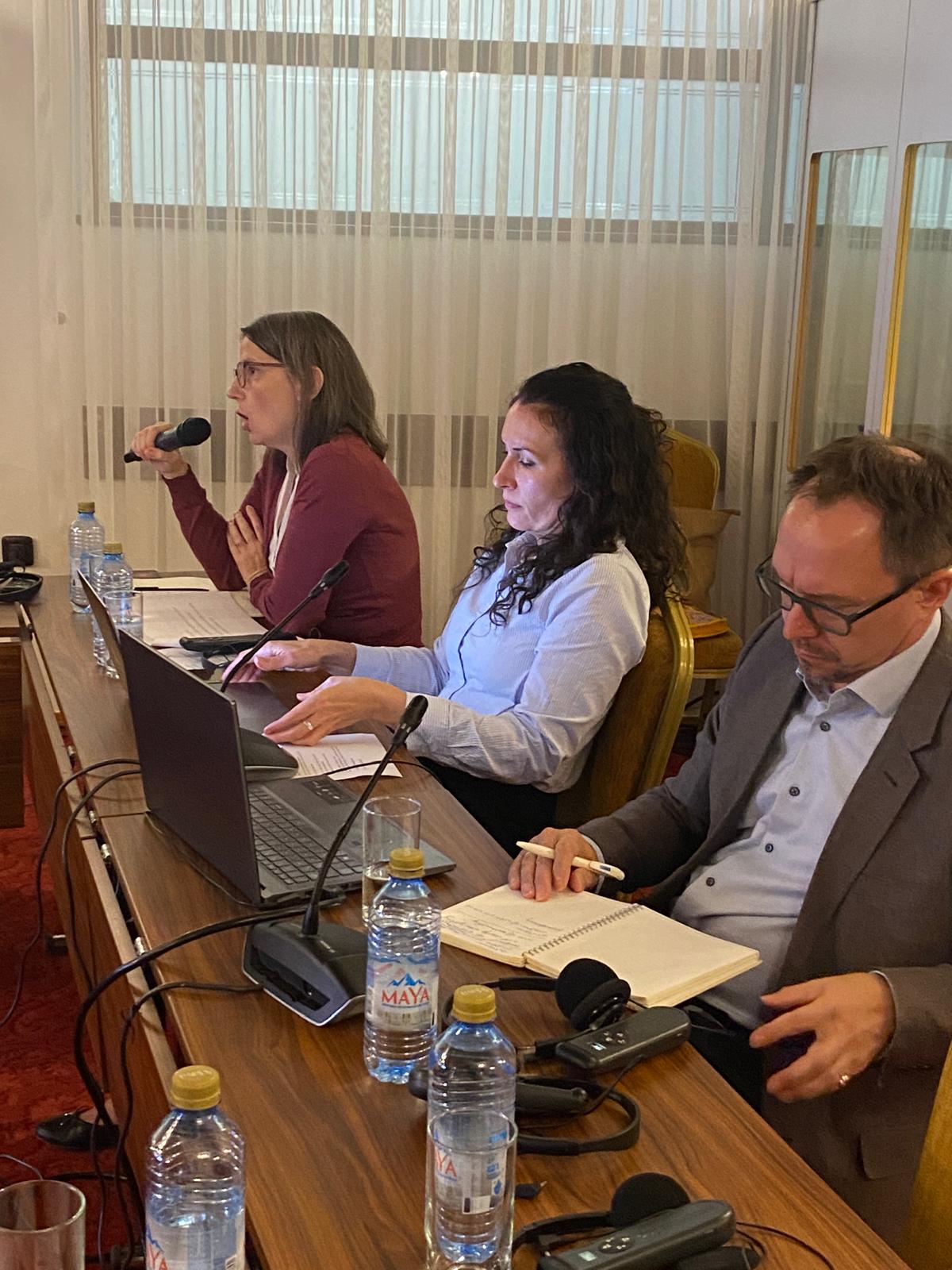
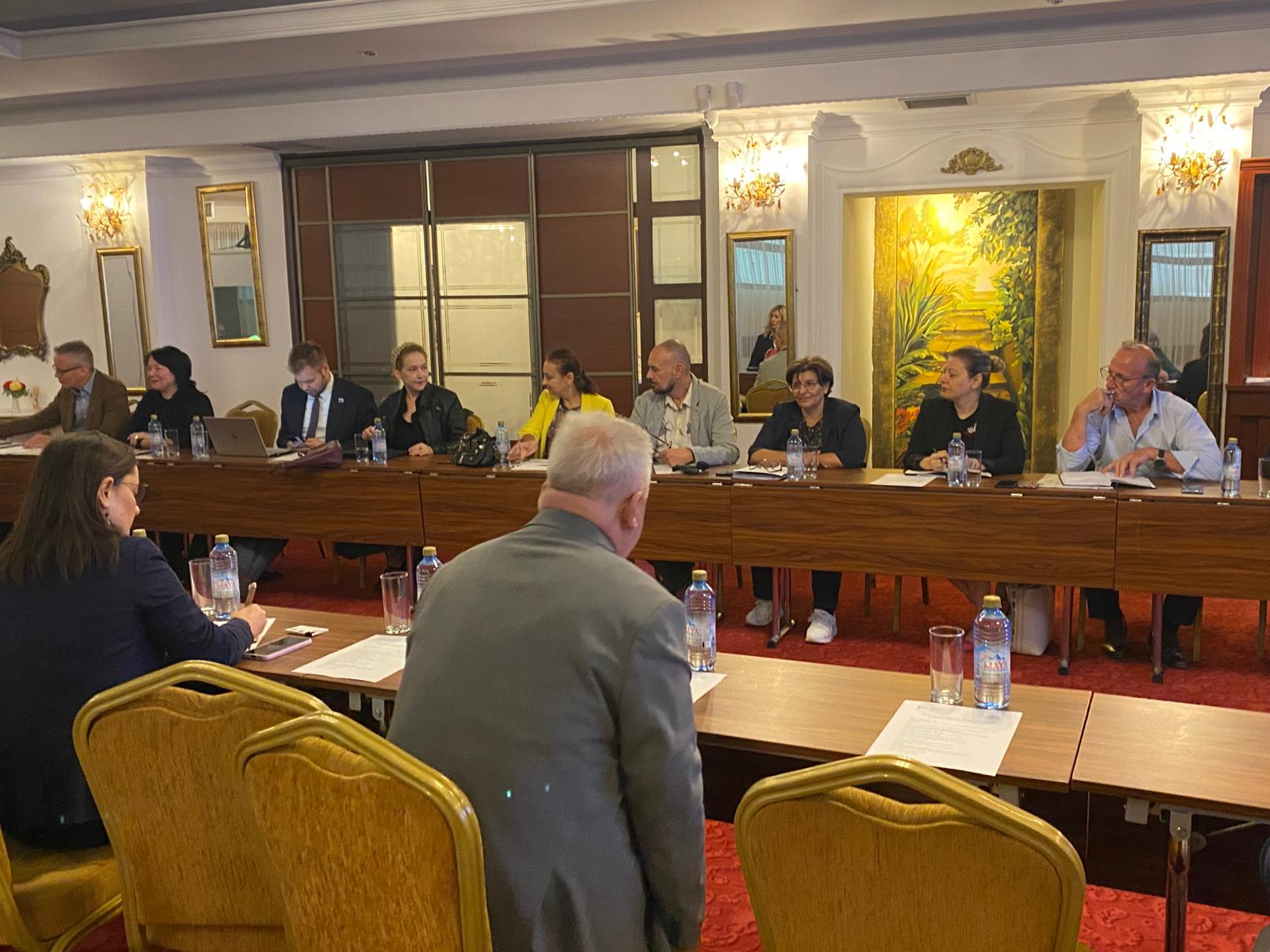
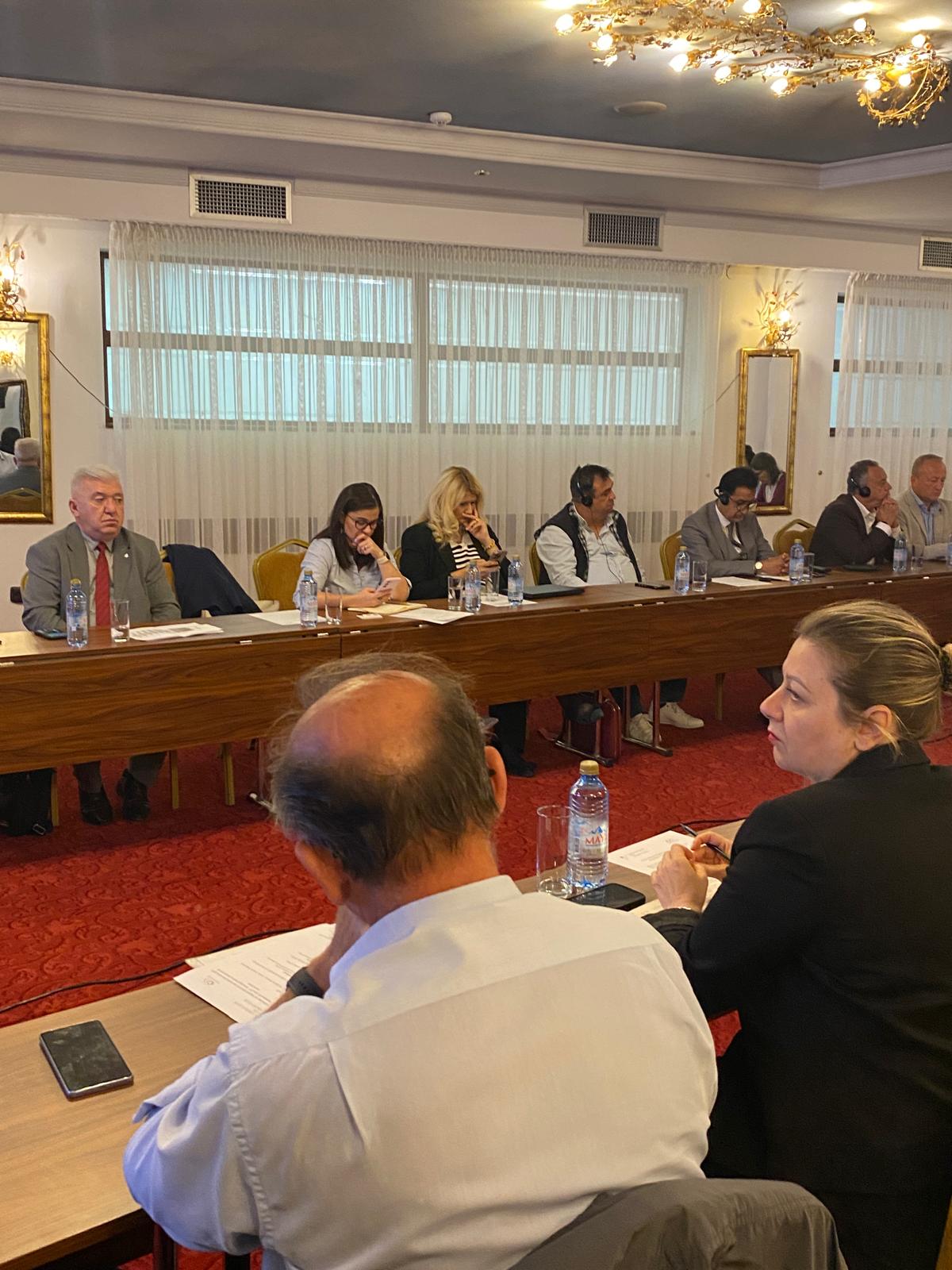
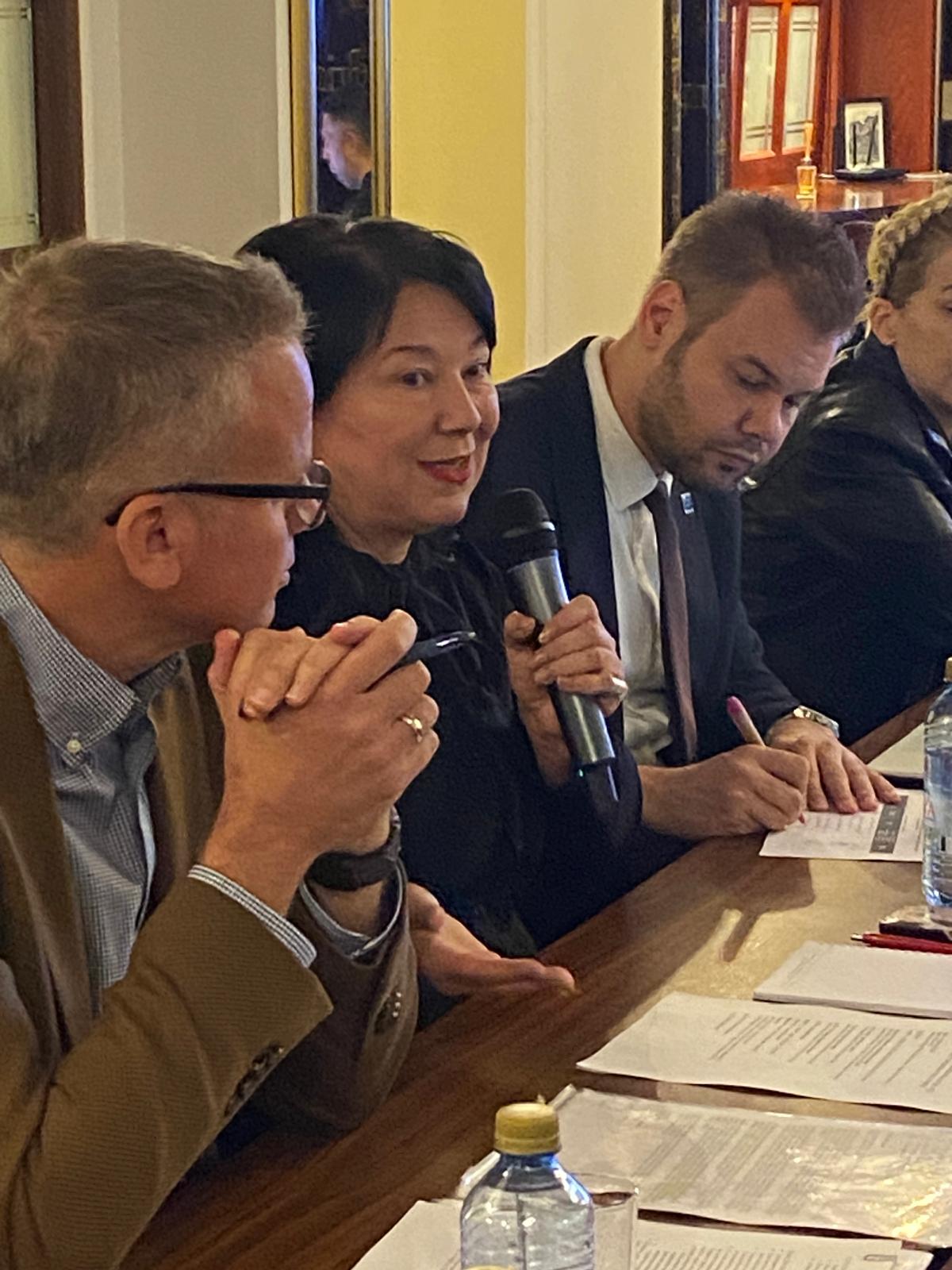
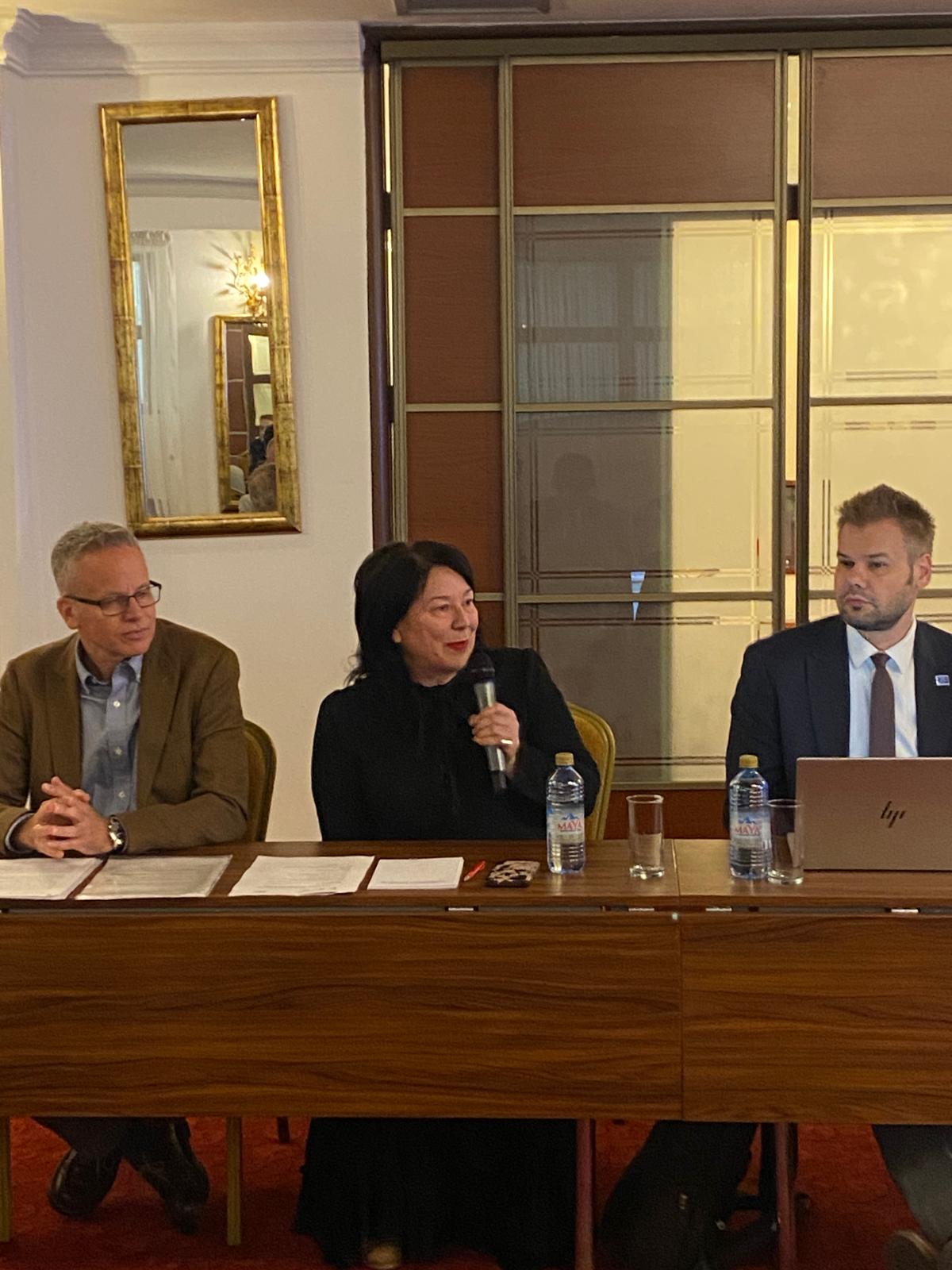
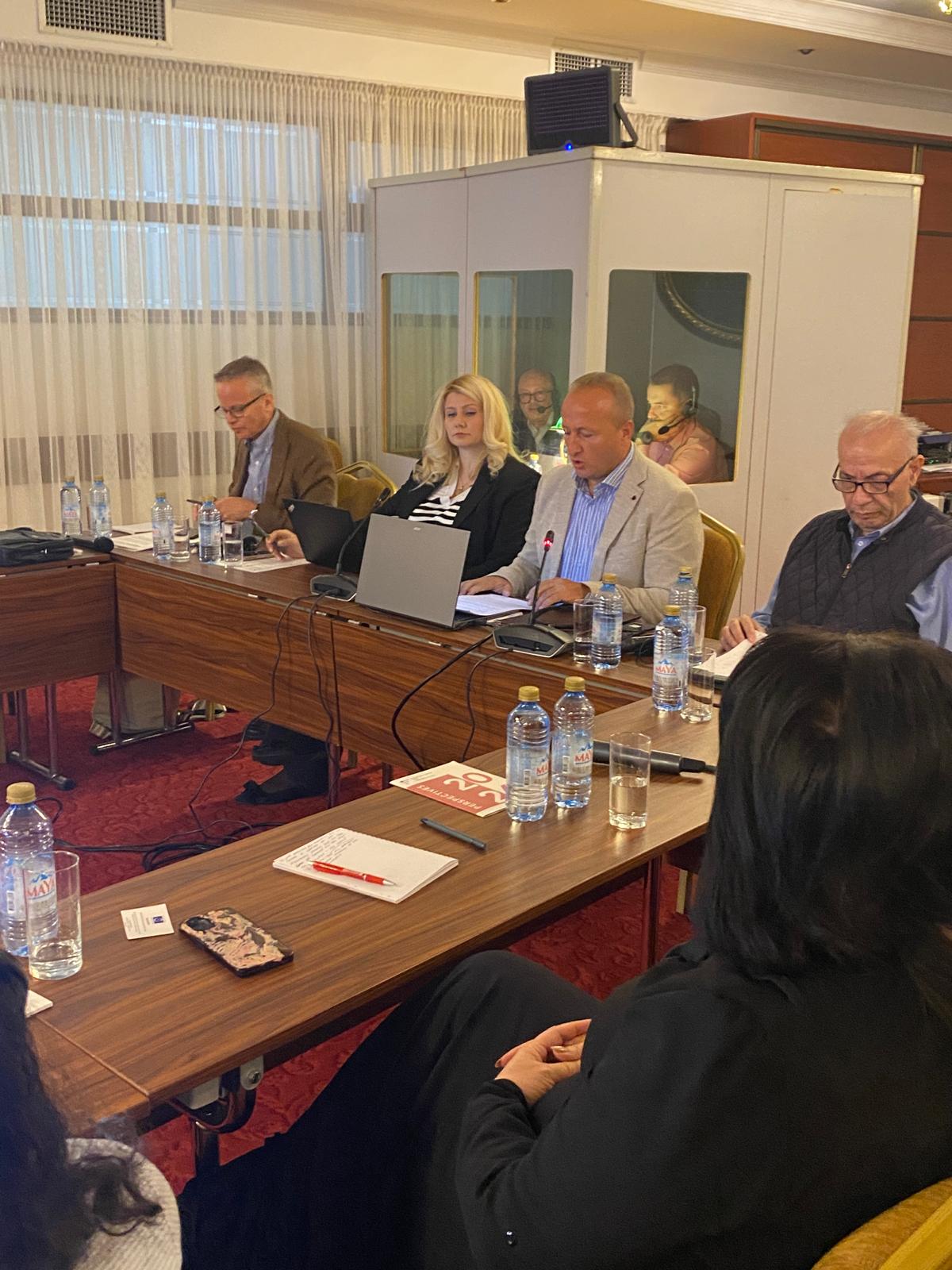
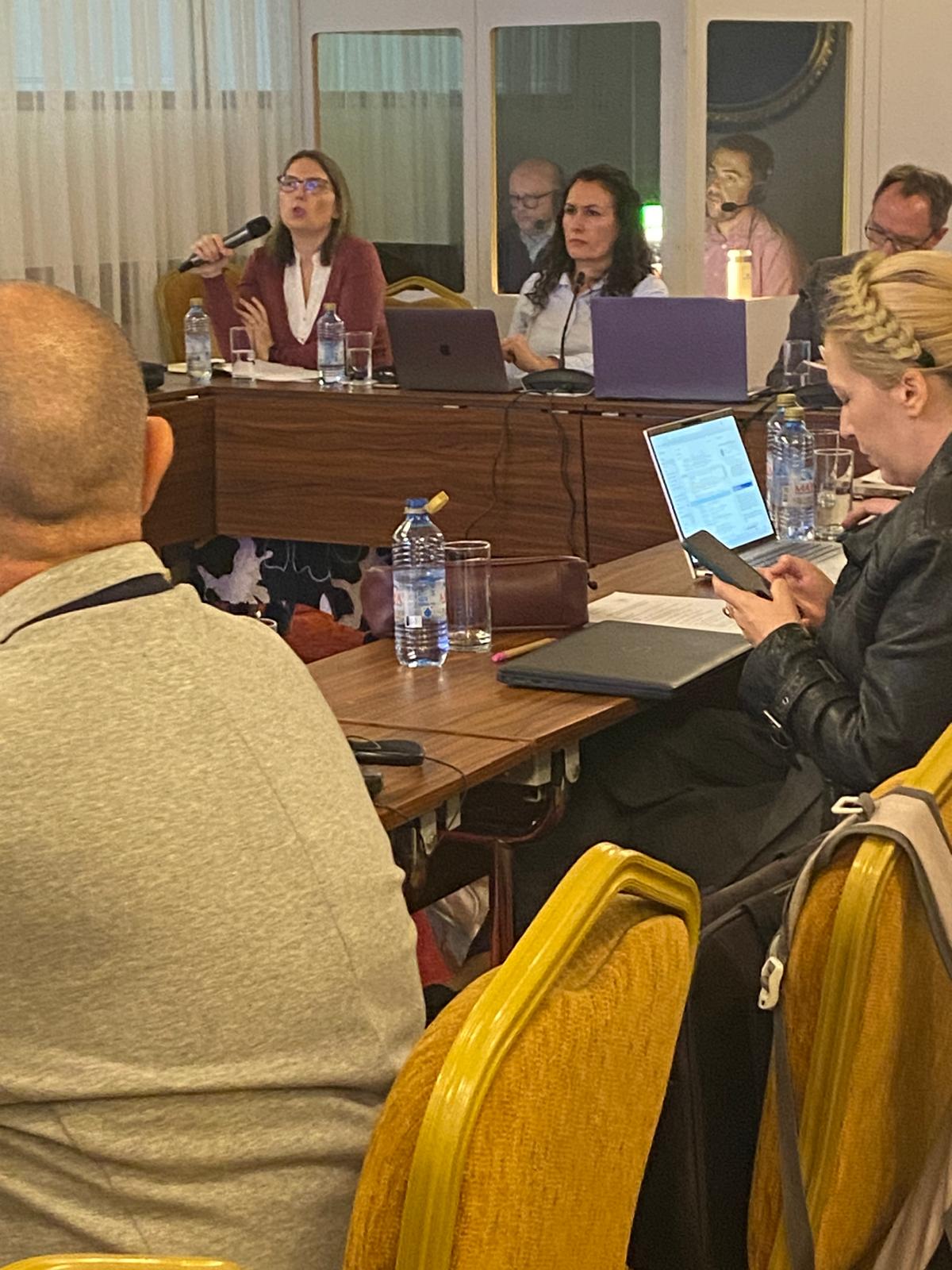
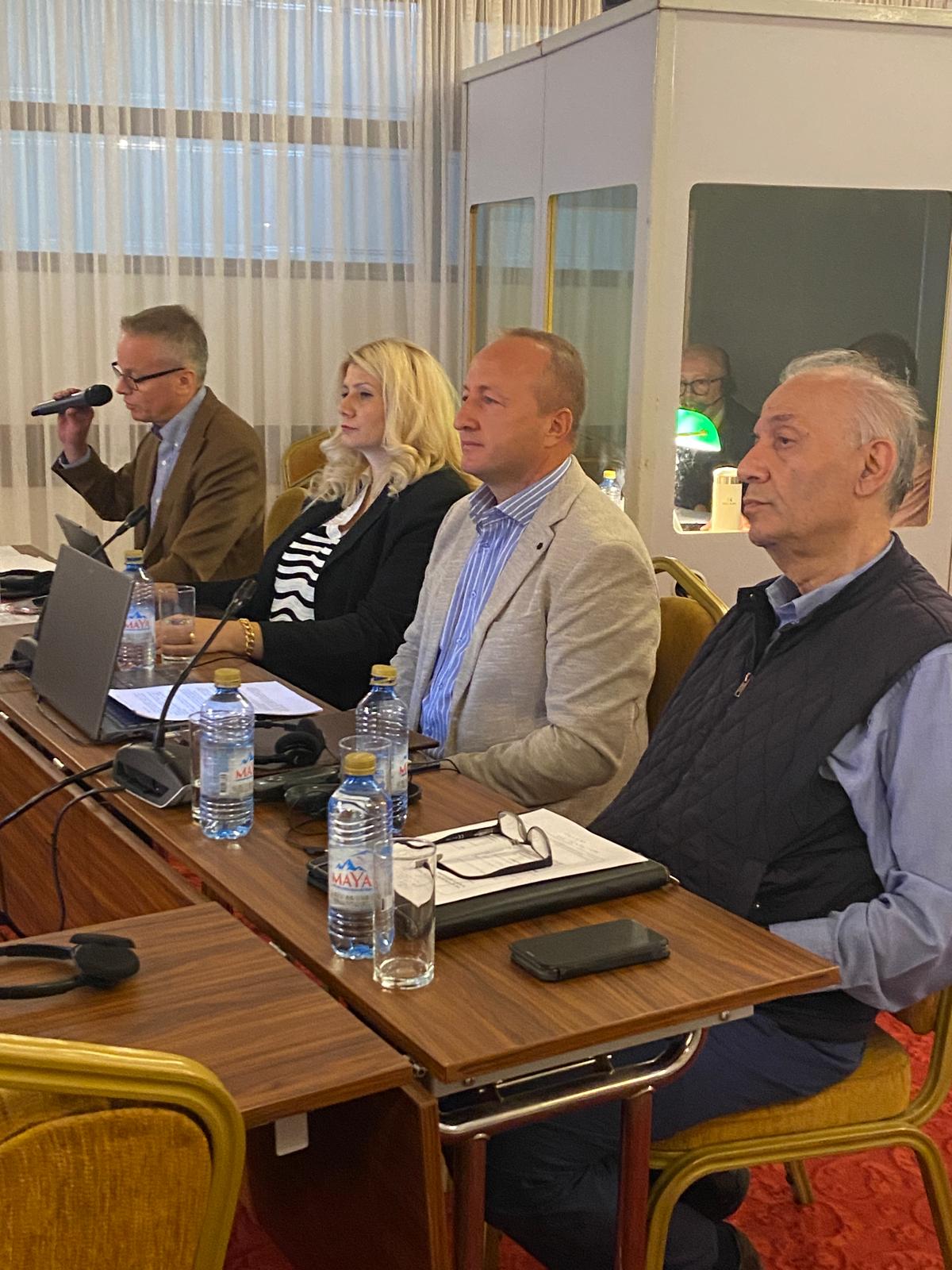
On 23 September 2026, the European Centre for Minority Issues (ECMI), in cooperation with the NGO SIEC / Forum for Non-Majority Communities, convened a policy event titled "Action Plans for National Minorities as Part of EU Accession: Comparative Policy Analysis" at the Stone Bridge Hotel in Skopje, North Macedonia. The gathering brought together international researchers, governmental officials, university scholars, and civil society representatives to analyze how EU candidate countries design, negotiate, and implement dedicated action plans for national minority protection.
The event focused on a relatively recent feature of EU enlargement policy: the use of dedicated Action Plans for national minorities as part of accession conditionality. Serbia, North Macedonia and Ukraine are the three current candidate countries in which the EU has explicitly required such plans, making them particularly useful cases for examining how minority protection is translated into accession requirements, domestic policy priorities and monitoring arrangements.
In the presentation sessions, ECMI researchers shared in-depth insights into the distinct domestic realities across the candidate states:
Ukraine: ECMI Director Prof. Dr. Vello Pettai examined how minority rights have been directly integrated into the EU negotiating framework. Ukraine's plan comprises over 100 specific measures covering anti-discrimination, minority education, and indigenous rights. However, implementation faces severe strain: beyond the challenges of wartime governance and tight EU deadlines, bilateral vetoes and demands from neighbouring member states—such as Hungary's interventions on language and education—have heavily conditioned the process.
Serbia: Jelena Mihajlov (Consultant ECMI) analysed Serbia’s streamlined 2026–2029 follow-up plan, adopted in May 2026. While the new framework introduces improved coordination and biannual reporting, procedural distrust persists: national minority councils reported feeling sidelined during drafting, while bilateral pressure from neighbouring EU states continues to grow.
Comparative Insights: Dr. Ljubica Djordjević (Senior Researcher ECMI) cautioned that formal legal parity (erga omnes) must not be confused with substantive equality. Rigid, universal guarantees often fail to address the entrenched socio-economic exclusion of deeply marginalised groups, such as the Roma. Furthermore, when action plans turn into unprioritised wish lists without dedicated funding, local authorities are quickly overwhelmed.
Chaired by Eben Friedman, the following conference panel brought together practitioners and researchers to debate the realities of implementation on the ground:
Prof. Agim Nuhiu (University of Tetova) highlighted the situation in North Macedonia, emphasising the need to harmonise domestic constitutional mechanisms with EU accession benchmarks.
Ardita Abazi Imeri (European Policy Institute – EPI) argued that civil society must not simply be consulted during drafting, but structurally integrated into ongoing Chapter 23 monitoring.
Nadir Redzepi (Institute for Social Change – InSoC) underscored the perspective of affected communities: tangible socio-economic inclusion and everyday dignity matter far more than polished compliance reports in government offices.
The conference concluded by setting out five guiding principles for national governments and European institutions:
- Substance Over Checklists: Focus on resolving real structural deficits on the ground rather than merely ticking off accession chapters.
- Clear Intervention Logic: Ensure every proposed activity is directly tied to measurable, verifiable outcomes.
- Combine Universal and Targeted Approaches: Complement general non-discrimination protections with targeted socio-economic measures for vulnerable groups.
- Equip Local Implementers: Provide line ministries and local municipalities with the financial and human resources necessary to deliver.
- A Whole-of-Government Responsibility: Mainstream minority protection across all government departments rather than relegating it to isolated advisory bodies.