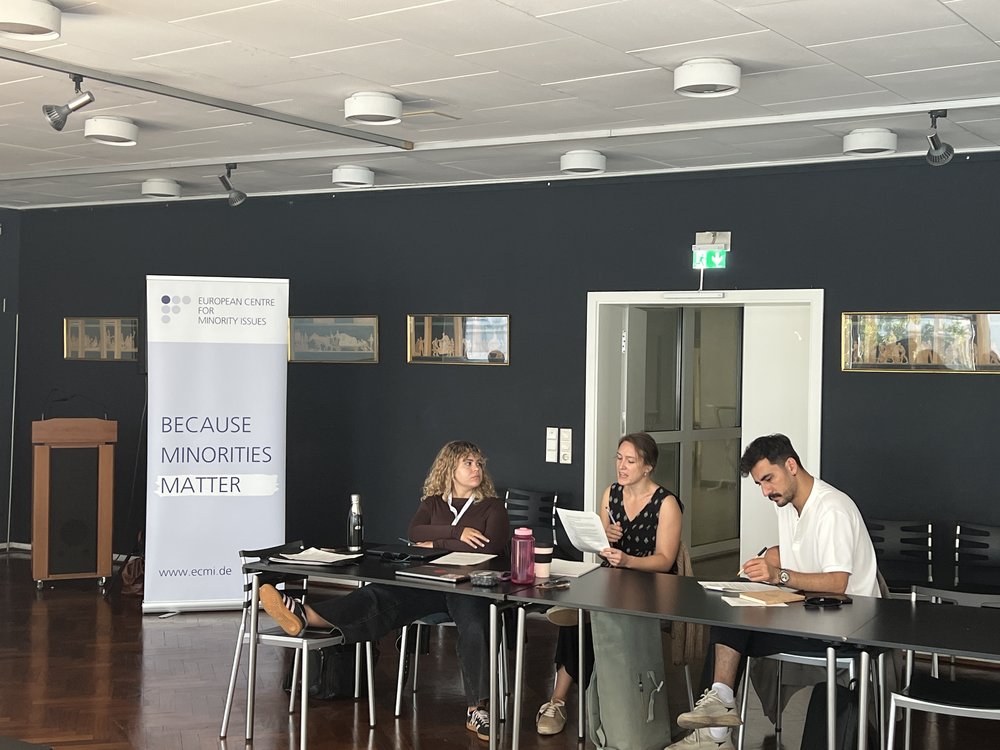

The 16th Annual Summer School on National Minorities, themed "Europe’s Non-Kin-State Minorities: Profiles and Realities", took place from 23 to 28 August 2026 in Flensburg, Germany.
Organised as a joint initiative of the ECMI and the Coppieters Foundation, the program focused on minority communities that do not benefit from the backing of an external kin-state (Non-Kin-State Minorities/ NKSM) These groups included territorially organised minorities (such as Catalans, Basques, and Corsicans), territorially concentrated but minoritised groups (such as West Frisians), small and endangered minorities (such as Sorbs and North Frisians), dispersed communities (such as Roma and Sinti), and Indigenous peoples (such as Saami and Greenlanders).
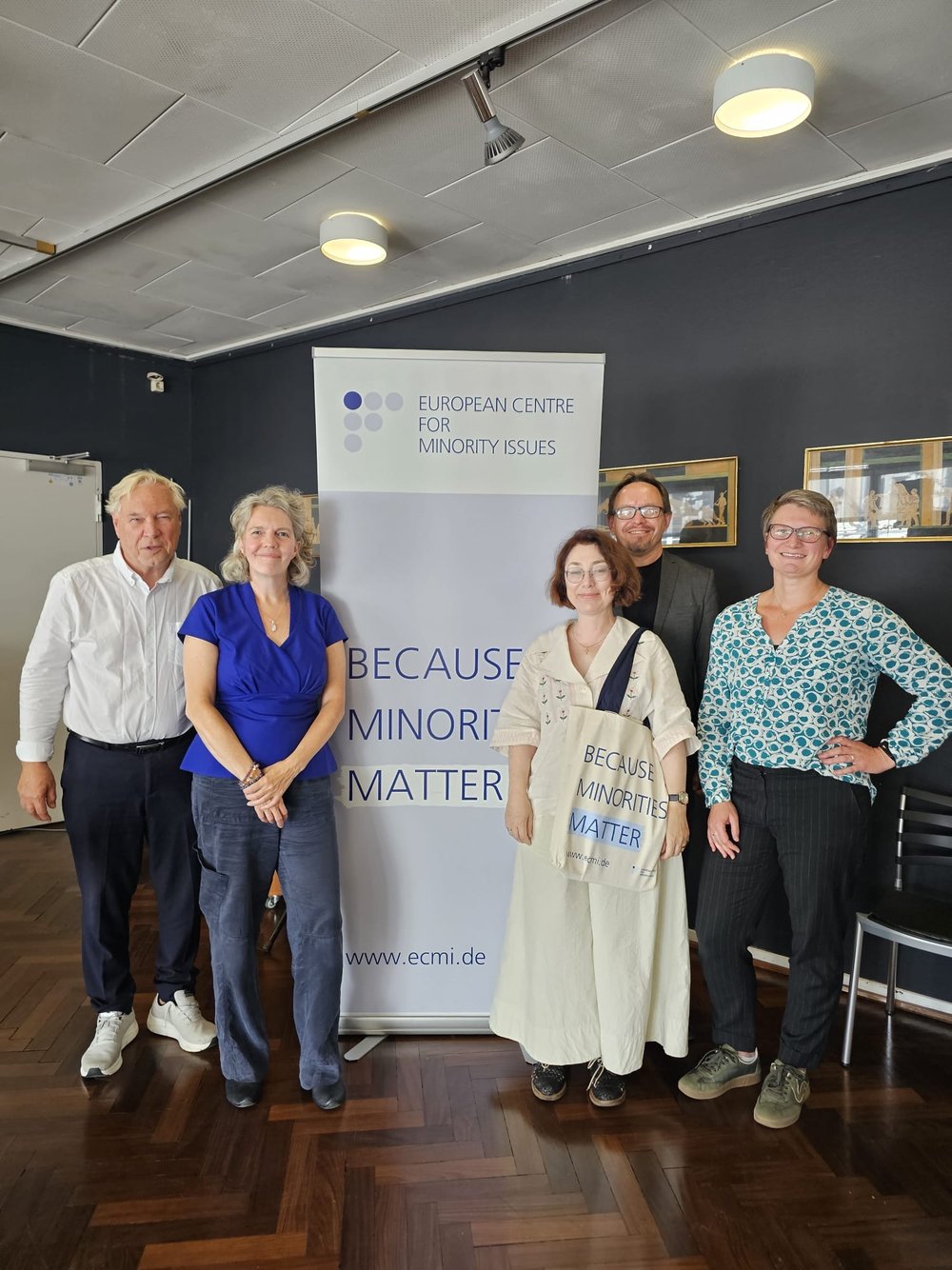
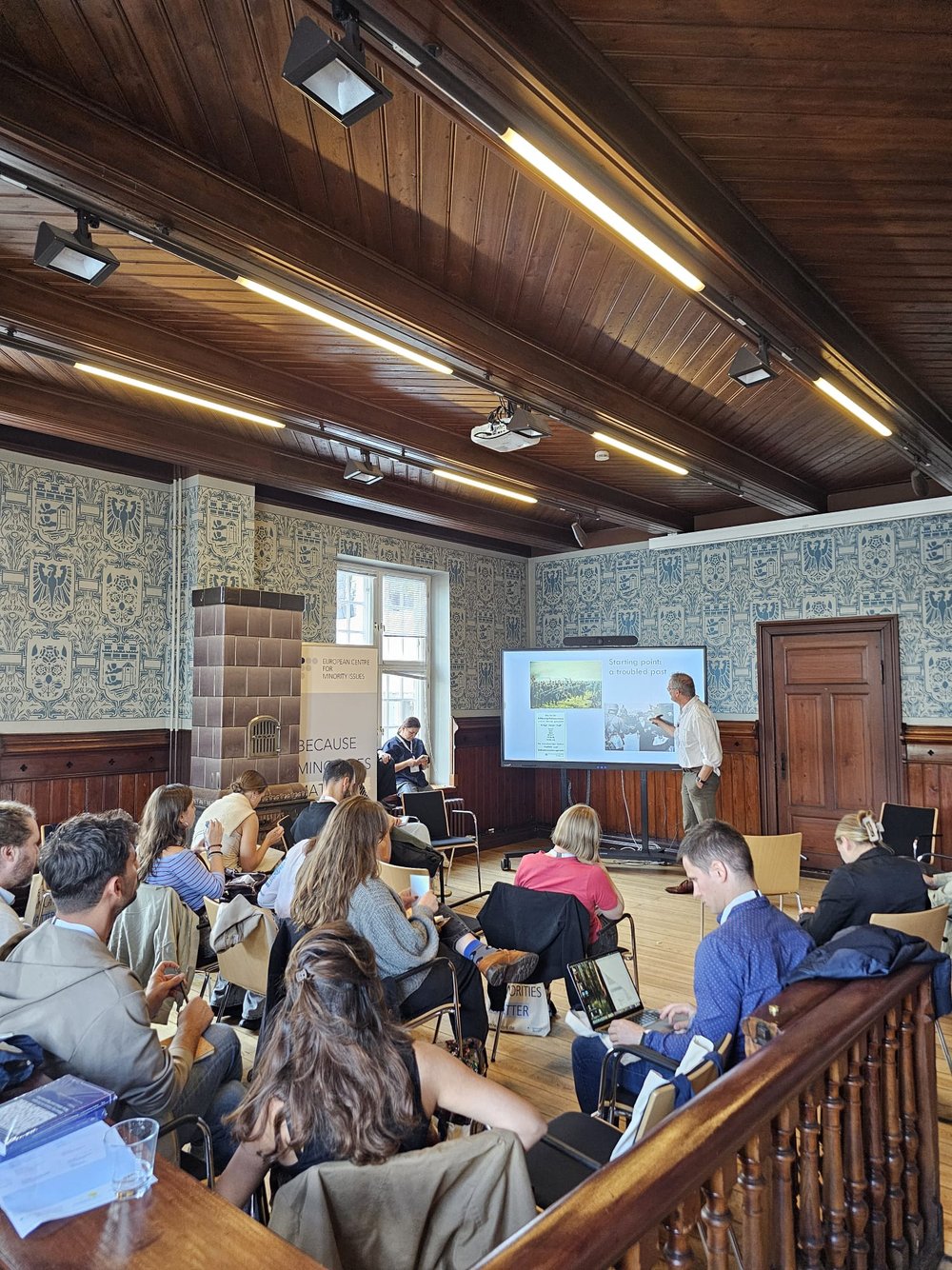
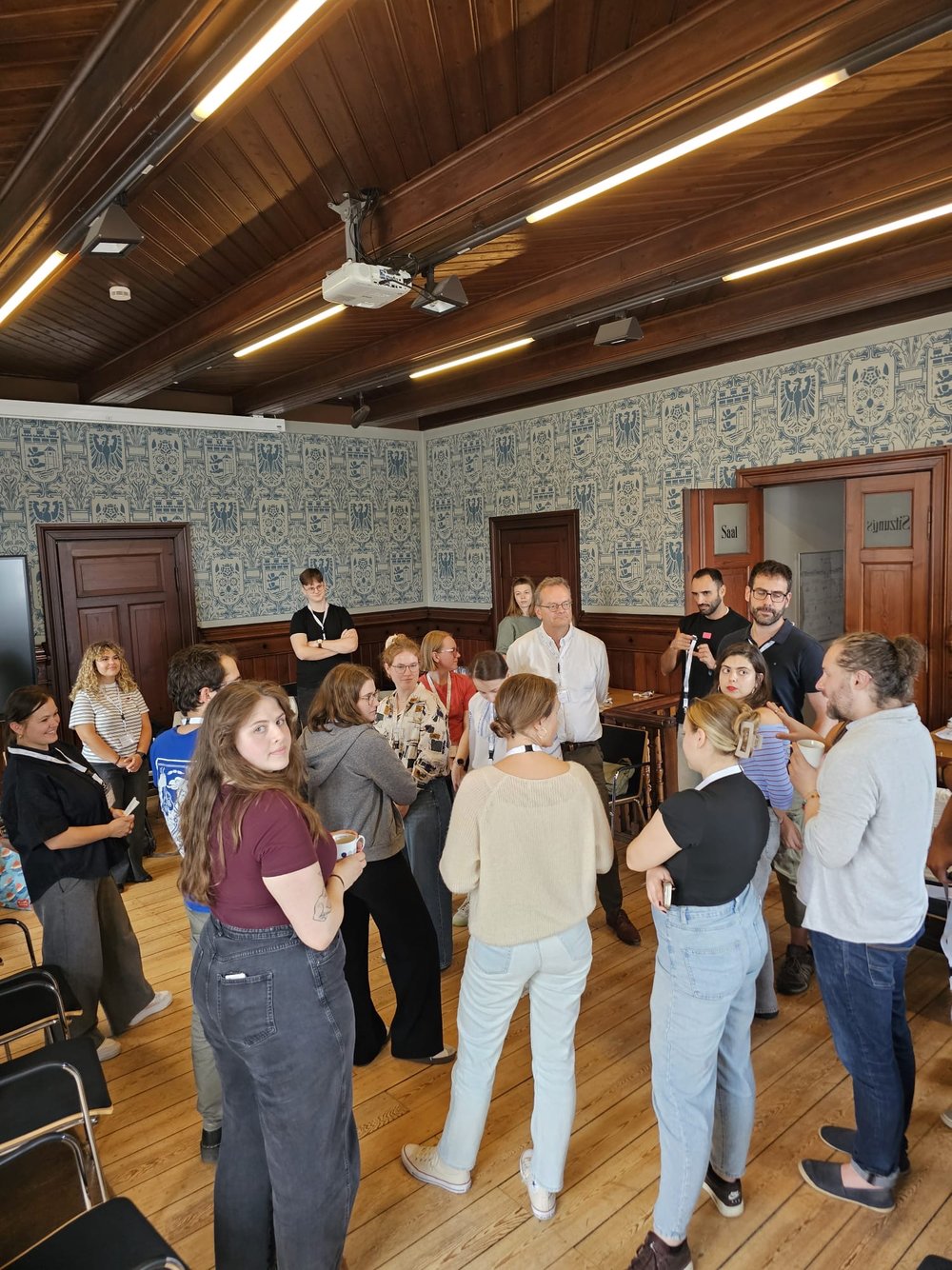
The event commenced on Sunday, 23 August, at the ECMI headquarters. Following registration, icebreakers, and an introduction to the program by the Summer School Team, Martin Klatt (ECMI) delivered the opening talk on the Germany-Denmark border region. From Monday onward, all subsequent lectures and workshops were hosted at the Danish Central Library in its "Blå Sal" conference room.
On Monday, 24 August, participants explored the conceptual and legal foundations of non-kin-state minorities (NKSM). Following an official opening by Marta Bainka (Coppieters Foundation), Vello Pettai (ECMI) and Jens M. Henriksen (Danish Central Library). Vello Pettai provided a conceptual introduction to the topic. Ljubica Djordjević (ECMI) then delivered a lecture examining the international legal protection of NKSM from a European perspective. In the afternoon, a panel featuring Bahne Bahnsen (FUEN), Vera Skvirskaja (University of Copenhagen), Sonja Wolf (Schleswig-Holstein State Chancellery) , and Mirjam Vellinga (Afûk) discussed institutional perspectives on these minorities. The day concluded with the first group work session, where students were divided into five teams to draft case profiles on the Gagauz in Moldova, Romansh in Switzerland, Ladins in South Tyrol, Ruthenians, and Greenlanders.
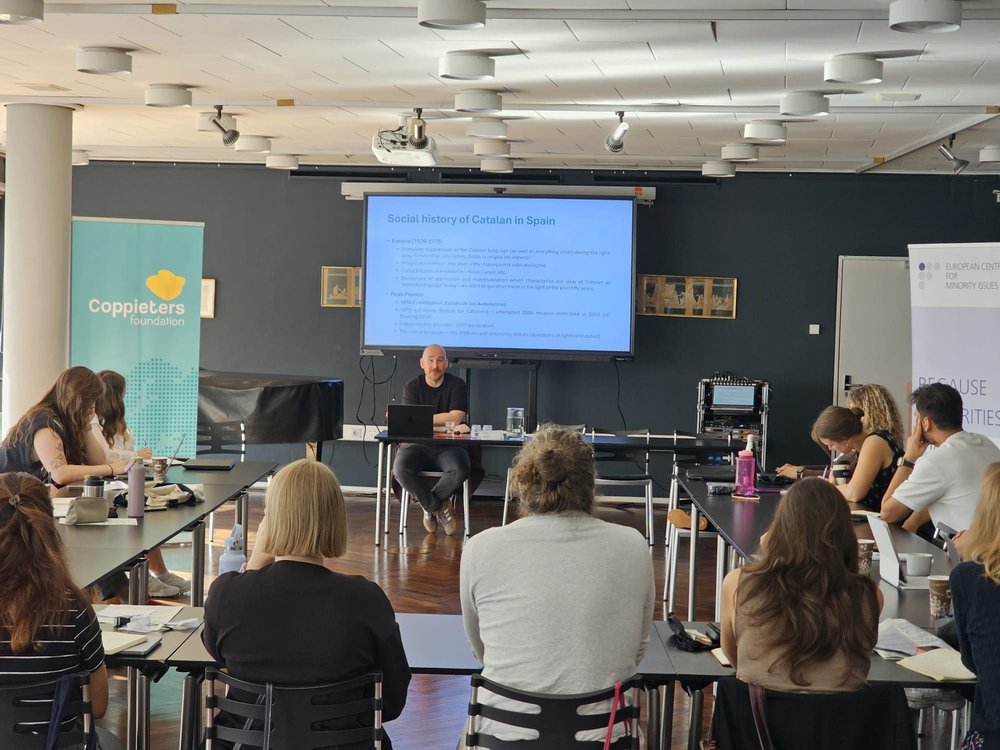
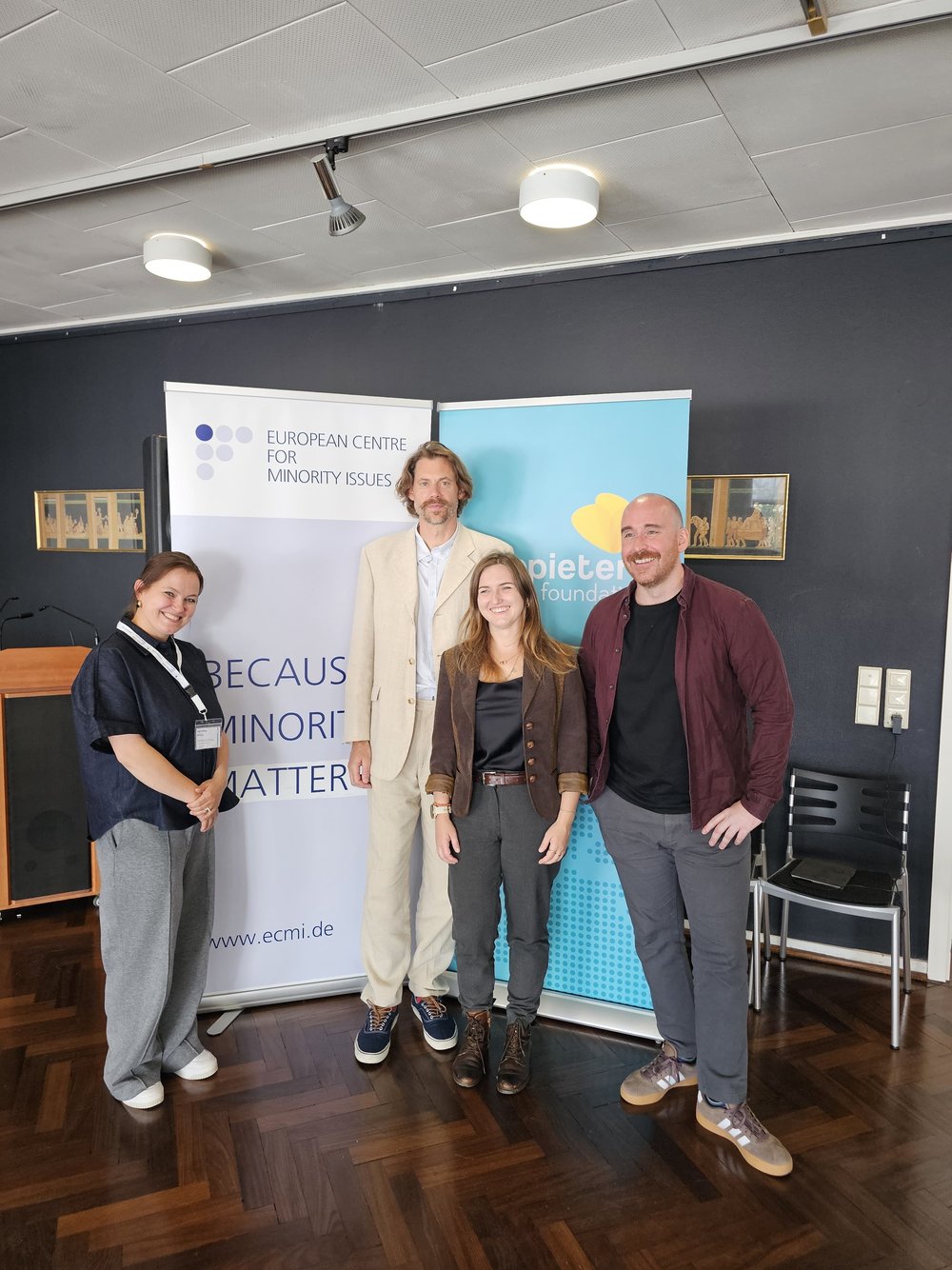
On Tuesday, 25 August, the schedule focused on territorially organised and concentrated minorities. James Hawkey (University of Bristol) analysed the institutional support and language rights of Catalan speakers in Spain. Simon Hobson (new.wales) examined self-determination without a kin-state through the lens of Wales after Brexit. In the afternoon, a panel discussion featuring Hawkey, Hobson, and Marta Bainka explored recognition and self-determination, introducing the Silesian minority in Poland as an additional comparative case. Afterwards, the student working groups reconvened to deepen their respective case profiles.
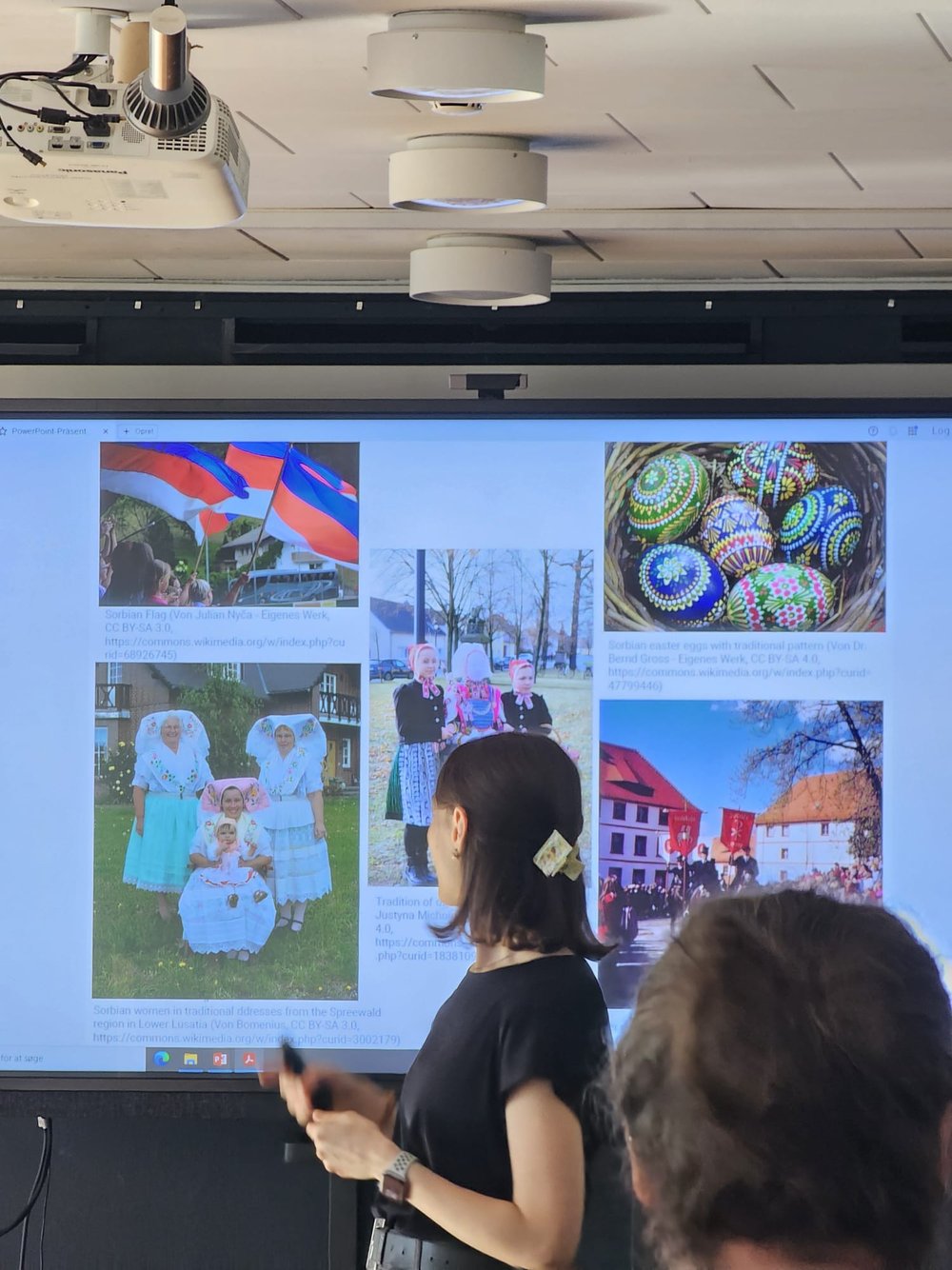
On Wednesday, 26 August, the focus shifted to small, endangered, and dispersed communities. Alena Paulik (ZARI project Domowina) presented the realities and challenges of Upper and Lower Sorbian communities in Germany. Ruth Kircher investigated the ethnolinguistic vitality and endangerment of North Frisian in Germany. Iulius Rostas (Eötvös Loránd University) delivered two connected lectures on the Roma experience of minority status, discussing decolonial critiques and the limitations of traditional minority rights frameworks. The day ended with a historical walking tour of Flensburg guided by Martin Klatt.
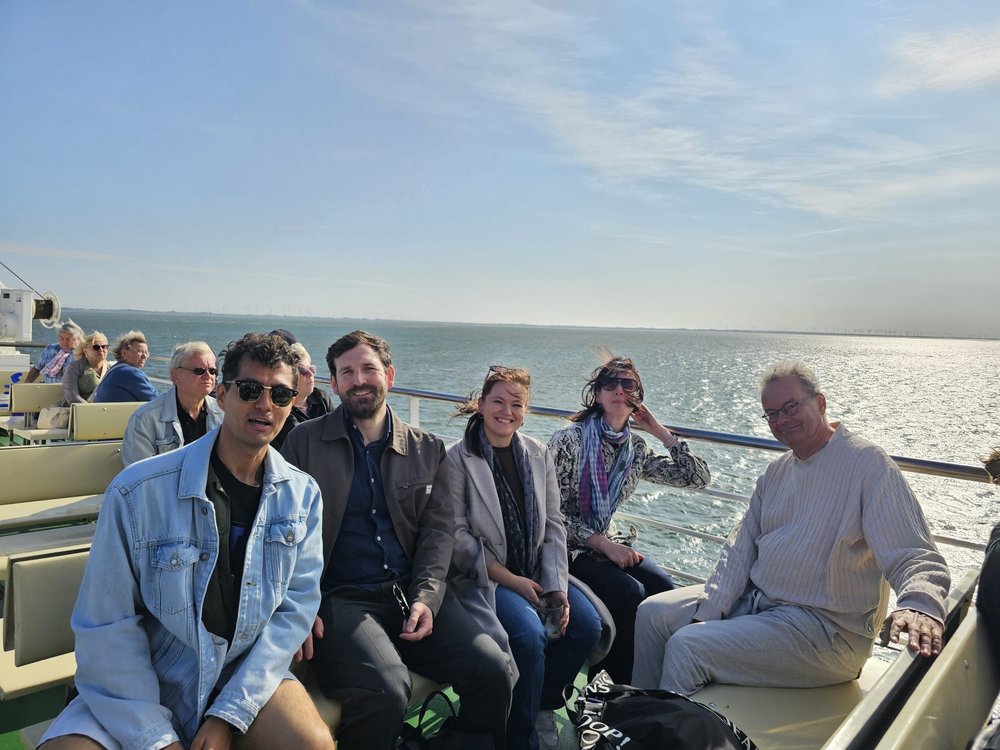
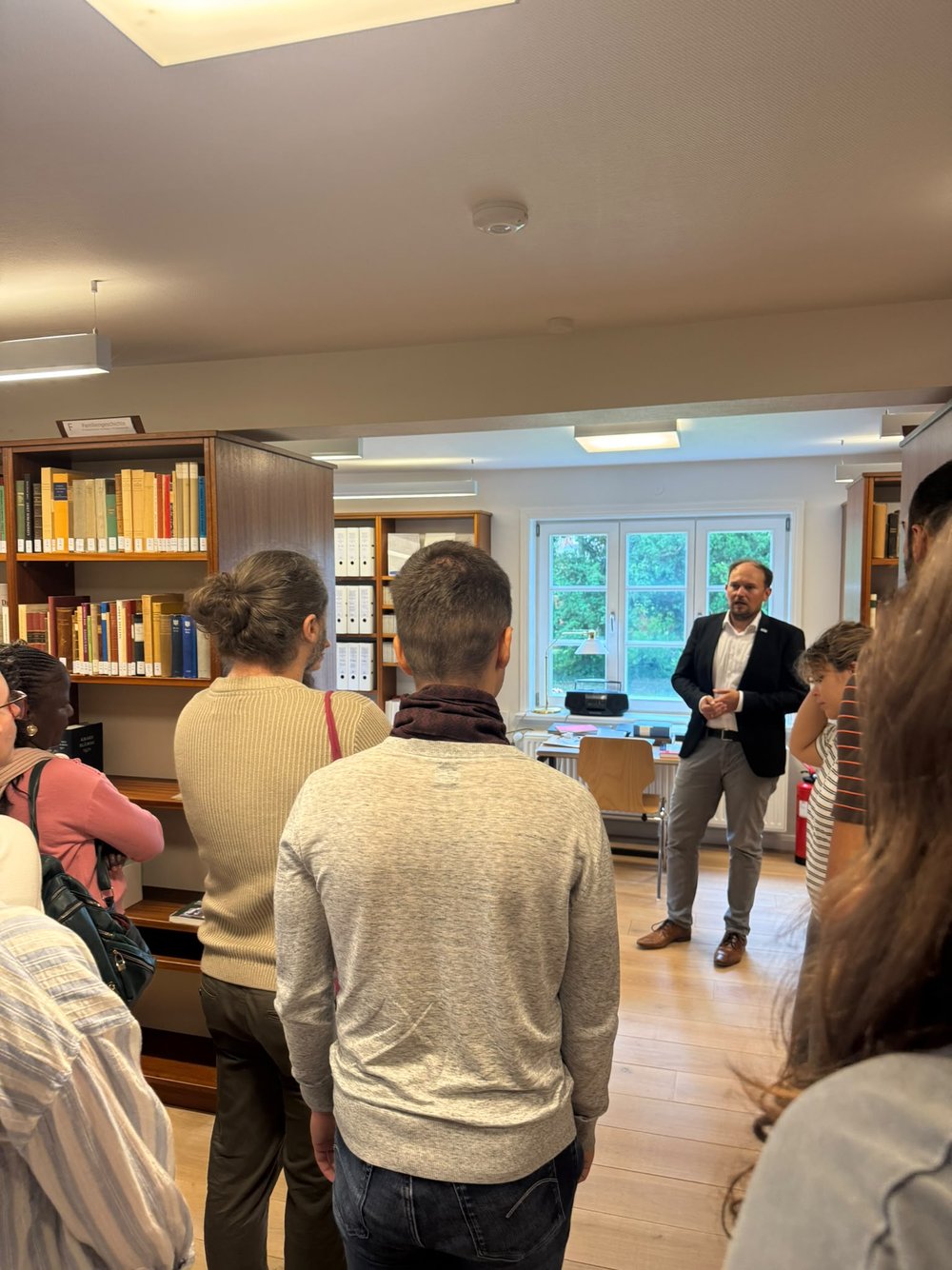
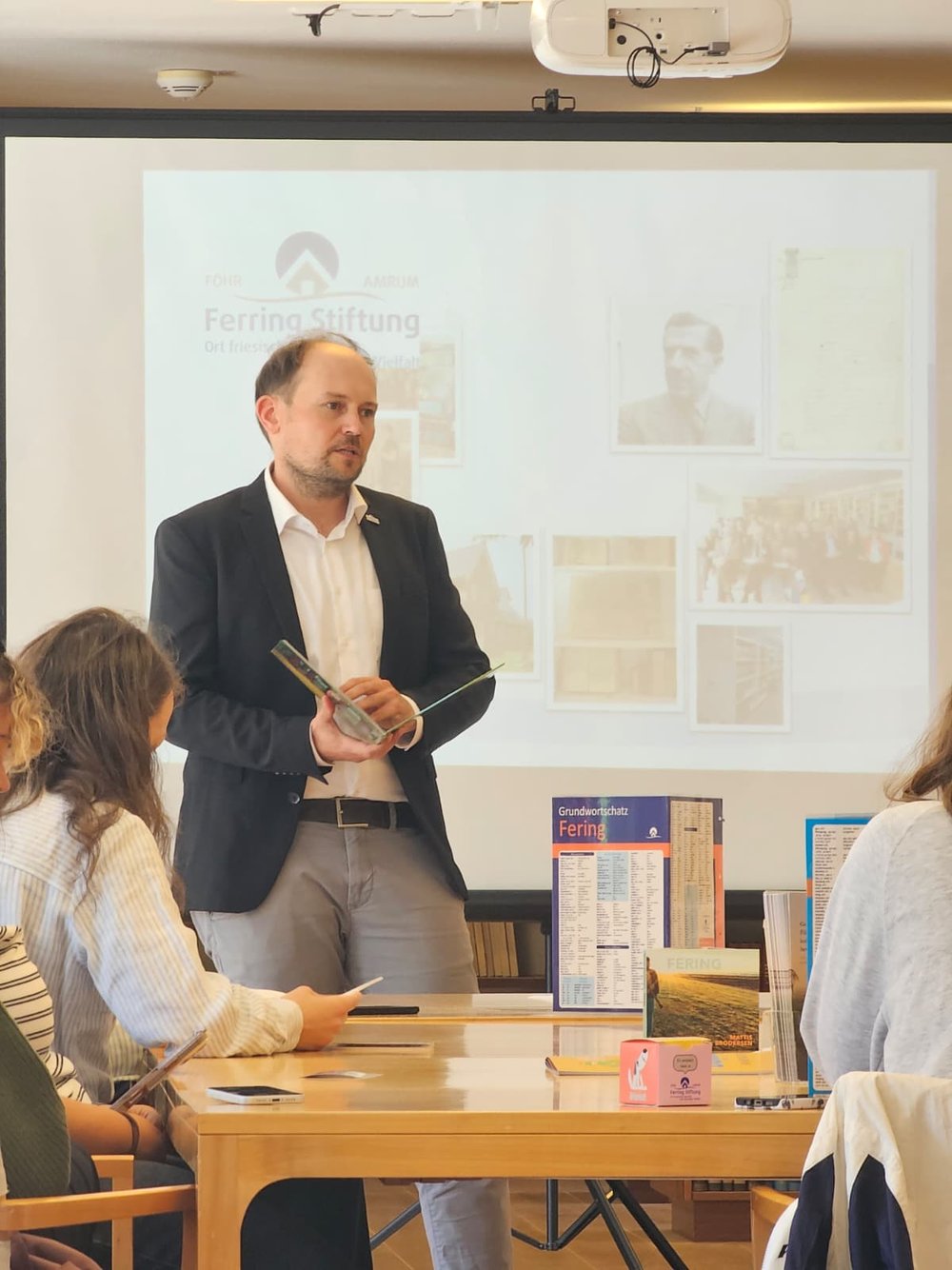
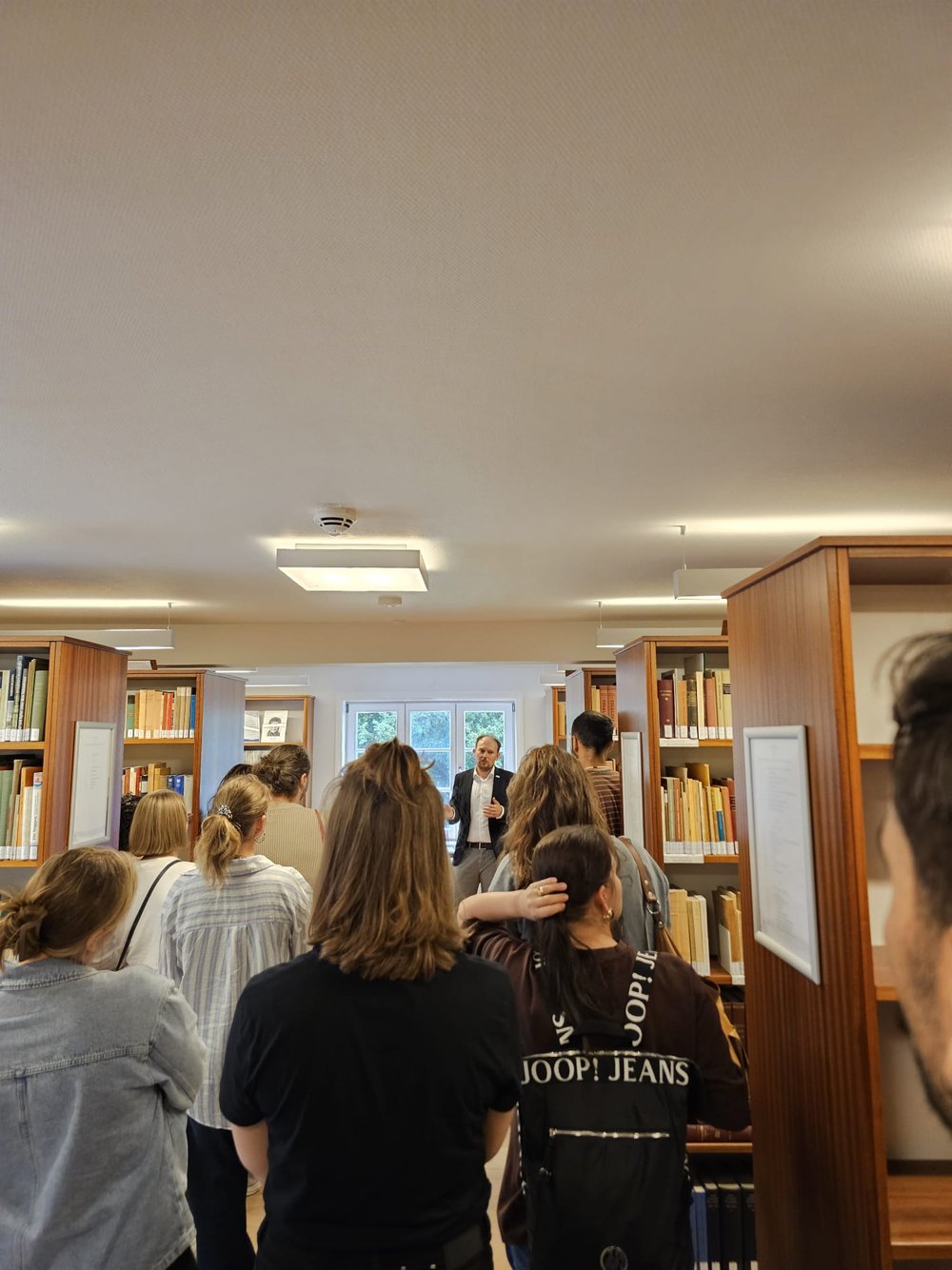
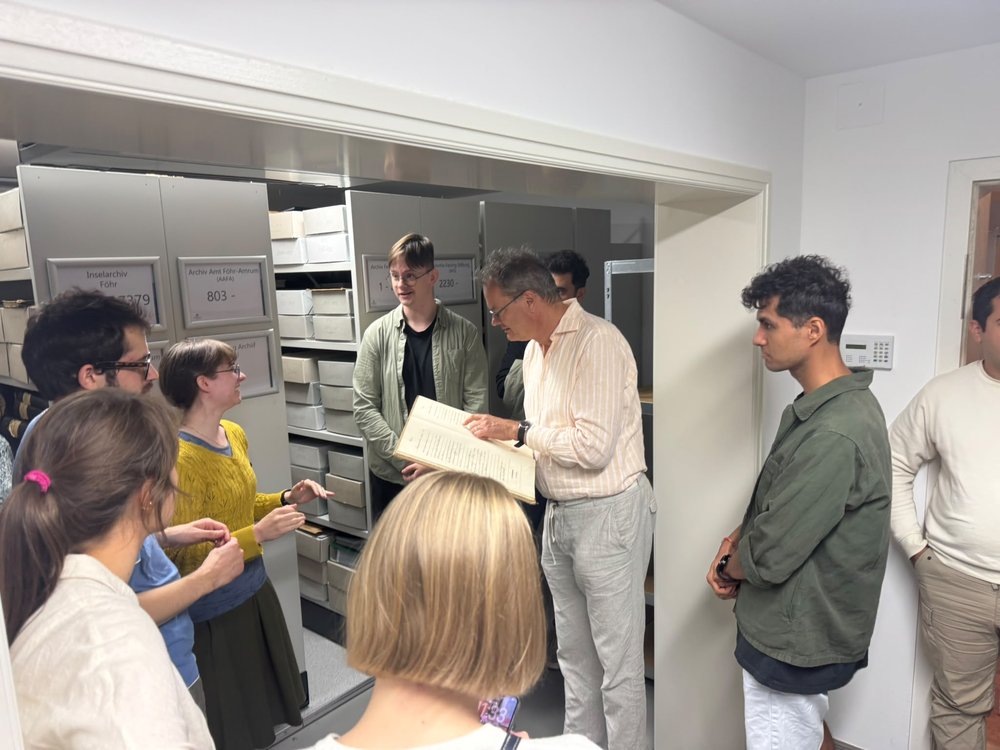
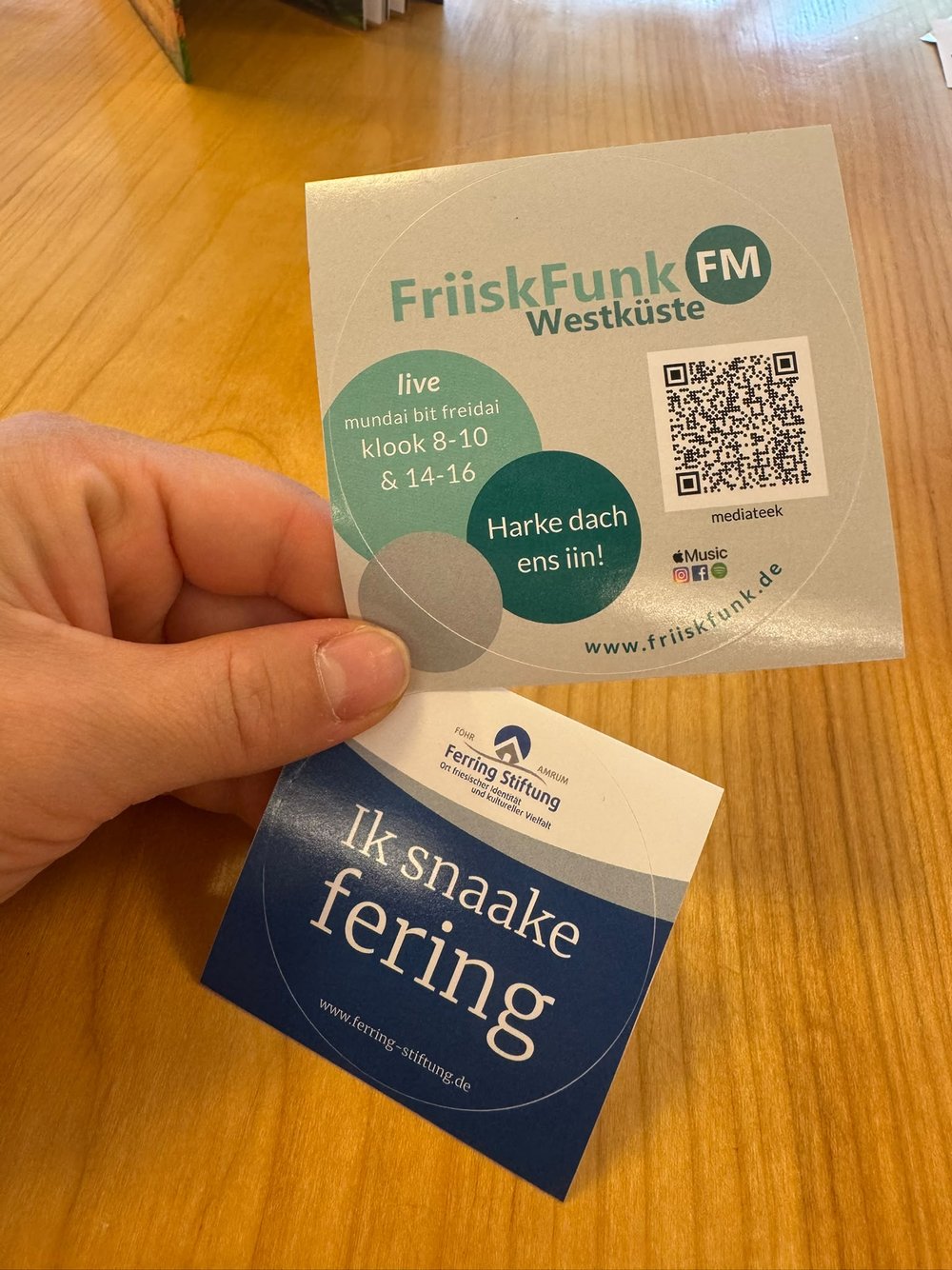
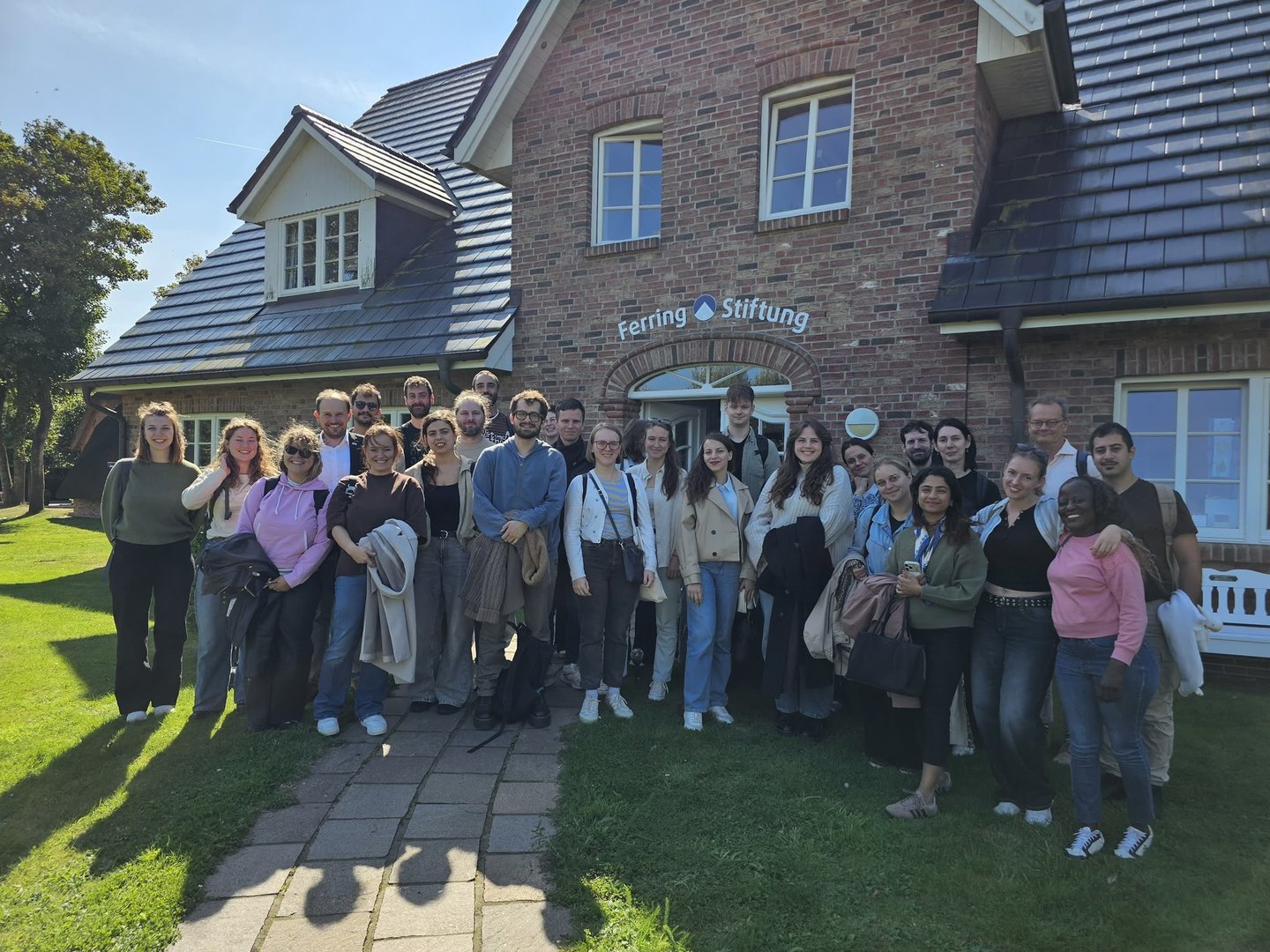
Thursday, 27 August, was dedicated to a field excursion to the island of Föhr to observe local realities. After travelling by bus and ferry, the group visited the Ferring Stiftung for a guided tour of its facilities and attended a talk by its chairperson, Robert Kleih. The excursion concluded with a visit to the Dr.-Carl-Häberlin-Friesen-Museum to explore Frisian cultural heritage, followed by free time before returning to Flensburg.
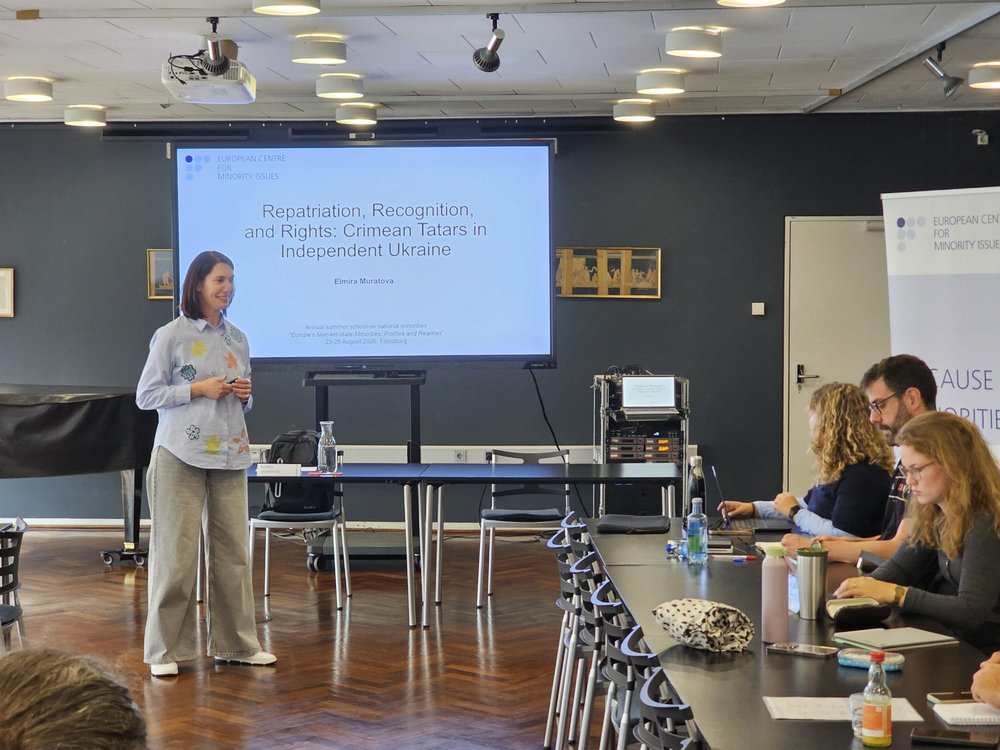
On the final day, Friday, 28 August, Elmira Muratova (ECMI) opened the morning sessions with a lecture on the repatriation, recognition, and rights of Crimean Tatars in independent Ukraine. The students then finalised their case profiles and delivered their 15-minute group presentations. After a feedback and evaluation session, participants received their certificates, and the Summer School officially concluded with a farewell dinner in the evenning.
We would like to thank our excellent speakers and highly engaged participants. We hope to stay in touch and look forward to seeing you all again soon.
Find the full programme here